Import Services from Overseas to Thailand

Company Profile

Importing goods from overseas means planning the transport, documents, tariff classification, product requirements, customs clearance and costs before the goods arrive in Thailand. You can import by sea, air or cross-border truck depending on the origin, type of goods, volume and urgency of each shipment.
KTC Global Logistics coordinates imports from overseas and checks the key details before booking: the route, product documents, HS code if available, import requirements, pickup from the supplier, customs clearance and delivery in Thailand within the agreed scope.
If you are planning an import, send the product details, country of origin, pickup address, number of packages, dimensions, gross weight, goods value and Incoterms for checking before the goods are shipped. This matters most for food, cosmetics, medical devices, telecom equipment, goods under mandatory standards or goods that may need approval from another agency.
Planning to import goods from overseas?
Send the product details, origin country, weight, size, goods value and trade terms, and KTC will check the transport options, documents and initial costs before you proceed.
What is an import service?
It is the coordination of transport from a supplier or factory overseas into Thailand, together with the related steps for the shipment’s scope, from freight to customs clearance and delivery.
The scope is not the same for every job, because it depends on the Incoterms and conditions agreed between buyer and seller, such as EXW, FOB, CFR, CIF, FCA, DAP or DDP.
For example, an EXW shipment may need pickup from the origin factory and extra export handling, while FOB or CIF split origin responsibilities differently. Give the Incoterms clearly when you ask for a quote so the total cost can be estimated as closely as possible.
Should you import by sea, air or road?
Choose by origin country, weight, volume, urgency, the type of goods and total cost, not by the freight rate alone.
Sea freight imports
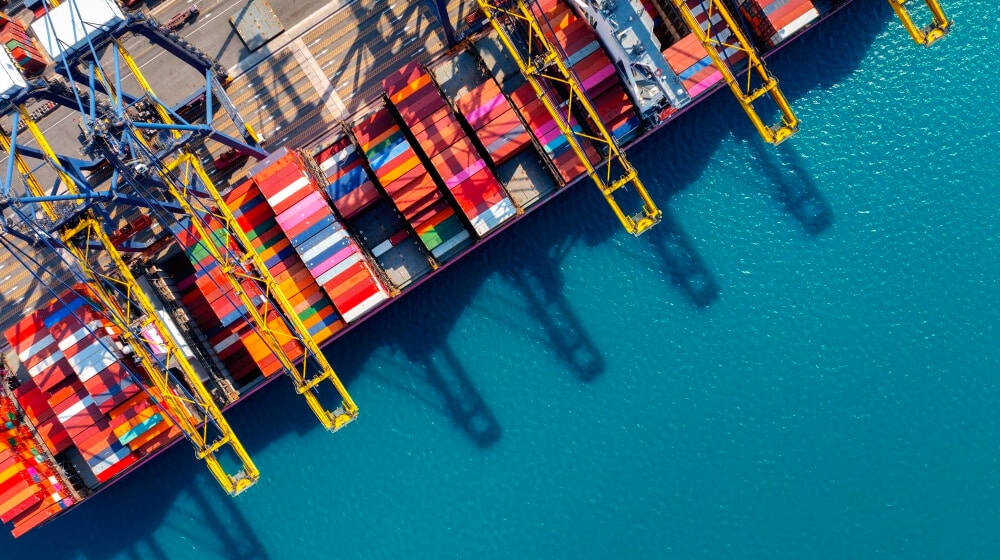
Sea freight suits large, heavy shipments or those that can be planned ahead. You can choose LCL for less than a container load or FCL for a full container.
Before booking, look at ocean freight together with origin charges, destination charges, customs clearance, port charges and delivery to see the shipment’s total cost.
Air freight imports
Air freight suits shipments that need speed, such as spare parts, samples, production materials or commercial shipments that are small compared with sea freight.
Air freight may be charged on chargeable weight, so give both the gross weight and dimensions. Batteries, chemicals, liquids and dangerous goods must also be checked for airline acceptance before booking.
Cross-border truck imports
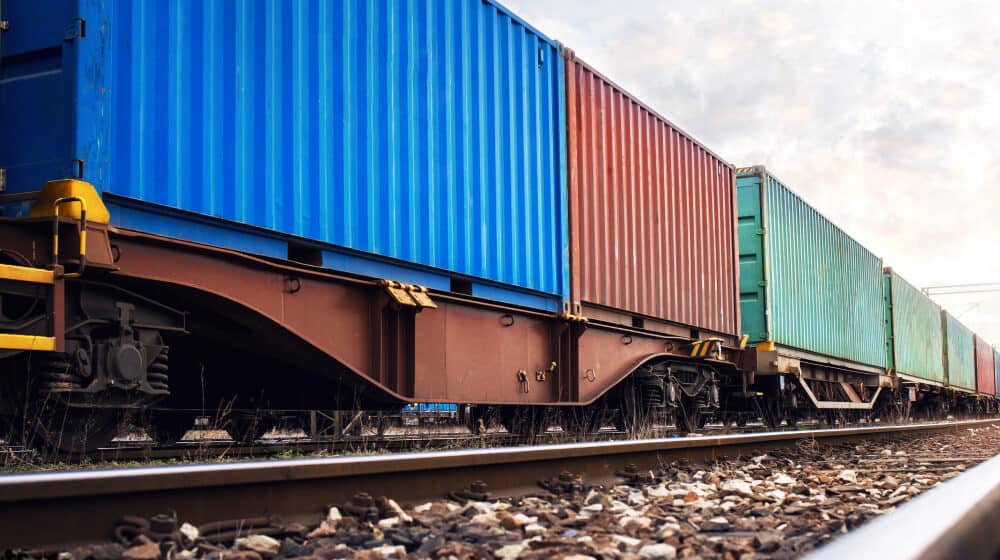
Cross-border trucking is another option for goods from countries connected to Thailand by land. It can be LTL or FTL, and the route, border crossing, customs clearance and any transfer or transloading along the way must be considered.
Service availability and checkpoints must be checked per shipment, because cross-border conditions can differ by country and over time.
What does KTC’s import service cover?
The scope can run from pickup at the overseas supplier to import clearance and delivery to a factory or warehouse in Thailand, as agreed.
- Checking the transport mode and route
- Coordinating with the overseas supplier or shipper
- Arranging pickup from the origin factory or warehouse
- Booking sea freight, air freight or cross-border trucking
- Initial check of the commercial invoice and packing list
- Initial check of the HS code and product requirements
- Coordinating import and shipping documents
- Import customs clearance within the agreed scope
- Coordinating payment of duty, tax and related charges
- Collecting the goods from the port, airport or border checkpoint
- Arranging delivery to the warehouse, factory or destination
- Coordinating with overseas agents and other service providers
The services and costs actually included are stated in each shipment’s quotation, because duty, tax, storage, demurrage, detention, inspection and other charges can arise depending on the situation and job conditions.
What information should you prepare before importing?
The key details are the product description, origin country, goods value, weight, size and Incoterms, because they are used for the initial freight, customs and import requirement checks.
Information to prepare:
- Product name and description (commodity)
- Product photos, catalogue or specification, if available
- HS code, if the supplier has it
- Country of origin
- Supplier country and address
- Pickup address for EXW or FCA shipments, as applicable
- Number of packages
- Dimensions of each package
- Gross weight
- Goods value and currency
- Cargo ready date
- Incoterms
- Commercial invoice
- Packing list
- MSDS or technical documents for chemicals, batteries or goods that need further checks
If the HS code is not confirmed, prepare enough detail on materials, components, function, model and catalogue for an initial classification check. Do not choose an HS code from the product name alone.
Which documents are needed to import goods?
The commercial invoice and packing list are the main import documents. Transport documents and permits depend on the transport mode and the type of goods.
Documents or information that may be relevant:
- Commercial invoice
- Packing list
- Bill of lading for sea freight
- Air waybill for air freight
- Land transport documents for the route
- Shipper and consignee / importer details
- HS code
- Country of origin
- Certificate of origin if you want to claim a tax privilege and the goods qualify
- Import permit, licence or approval documents for controlled goods, where applicable
The Thai Customs Department uses an electronic system for import formalities. The importer or agent prepares and submits the import declaration according to the type of import, and the system checks the related product approvals or permits.
Do importers need to register with Thai Customs?
Businesses that want to carry out customs formalities or take part in electronic customs procedures must check their registration with the Customs Department first.
If your company has never imported before, tell our team before booking so the status and required documents can be checked in advance. Do not wait until the goods arrive in Thailand to start.
KTC can help check the information and coordinate the related steps within the service scope, but registration and approval follow the Customs Department’s rules.
How are import duty and taxes calculated?
The duty rate cannot be set from the product name alone. It depends on the HS code, customs value, country of origin and any tax privileges that apply.
The same type of product with a different specification or use may fall under a different tariff code with different requirements. To claim a preferential rate under a trade agreement, the origin criteria and proof of origin for that shipment must also be checked.
So before ordering in large quantities, check the HS code and estimate duty and tax first to get a more realistic landed cost.
Which goods should be checked before ordering or shipping?
Goods regulated by other agencies should be checked before the supplier ships, because some need registration, a licence, notification, certificate or approval before import.
Examples of goods to check:
- Food and supplements
- Medicines and health products
- Cosmetics
- Medical devices
- Industrial products that may fall under mandatory TISI standards
- Radio communication equipment or certain devices under NBTC rules
- Chemicals and hazardous substances
- Agricultural products, plants, animals and related products
- Batteries and dangerous goods
- Goods that need an import permit or licence under specific laws
Not every product in these groups needs the same permit. Requirements are checked case by case from the product type, specification, HS code, purpose of import and the responsible agency’s laws.
For health products, the process differs between food, cosmetics, medicines and medical devices. For example, medical devices may need a licence, a detailed notification or a listing depending on the product class, so check before importing.
What should you check with your supplier before ordering?
Before paying or letting the supplier ship, check that the product information and documents are good enough to assess the import, especially for goods you have never imported before.
- Product name and model match the documents
- Specification and intended use
- HS code used by the supplier, as a reference
- Country of origin
- Invoice value and currency
- Number of packages, weight and dimensions
- Packaging type
- Agreed Incoterms
- Whether the goods need a permit or fall under a mandatory standard
- Whether they contain batteries, chemicals or dangerous goods
- Whether the supplier can provide the certificates or origin documents needed
Checking before you order reduces the risk of goods arriving in Thailand with missing documents, needing extra permits, or costing more than planned.
How does the import service work?
It starts by checking the goods and trade terms before booking, then planning freight, documents, customs clearance and delivery in order.
- Send product details — commodity, supplier, origin, weight, dimensions, value and Incoterms
- Requirement check — product data, initial HS code and agencies that may be involved
- Choose the transport mode — compare sea freight, air freight or cross-border for the job
- Quotation — freight and the costs that can be estimated for the scope
- Supplier coordination — cargo ready date, pickup and shipping documents
- Booking confirmation — vessel, flight or truck as agreed
- Pre-departure document check — invoice, packing list and related information
- Transport to Thailand — schedule and documents tracked along the way
- Import clearance — declaration filed and customs clearance coordinated within the scope
- Release and delivery — release and delivery to the agreed destination coordinated
Total lead time depends on the freight mode, origin, schedule, customs clearance, inspection and permits, so it is assessed per shipment rather than as a fixed number of days before the product and route details are known.
Frequently asked questions about importing from overseas
I have never imported before. Where do I start?
Start by sending the product details, photos or catalogue, origin country, price, weight, dimensions and Incoterms, so the transport mode, initial HS code, controlled goods status and your Customs registration can be checked before shipping.
How many days does importing take?
It depends on the origin country, whether it goes by sea, air or truck, the routing, schedule and customs clearance, so transit time is checked from the actual shipment before booking.
Do I need Thai FDA approval to import food or cosmetics?
It must be checked by product type and purpose of import, because the steps for food, cosmetics, medicines and other health products differ. Do not order the goods before checking the requirements.
Does every TISI product need an import permit?
No. Check whether the product falls under a mandatory standard and within the scope defined by law. If it does, follow the relevant TISI rules.
Do all electronic goods need NBTC approval?
No. It depends on the device’s features and function, whether it counts as radio communication equipment or falls under NBTC rules. Do not decide from the word “electronics” alone.
What percentage is import duty?
It cannot be answered from a general product name. The HS code, customs value, country of origin and tax privileges of that shipment must be checked before duty can be estimated properly.
Should I choose LCL or FCL?
Compare the CBM, weight, route, local charges and total cost. For smaller volumes LCL may suit better, but as volume grows FCL can be better value on some routes.
Can KTC collect from an overseas factory and deliver to my factory in Thailand?
We can check the service by origin country, pickup area, commodity and Incoterms. The actual scope, from pickup and freight to customs clearance and delivery, is stated in the shipment’s quotation.
Request an import quote
Send the product details, supplier country and address, number of packages, dimensions, gross weight, cargo ready date, value and Incoterms to KTC Global Logistics. We will check the transport options, documents and initial costs before booking.