


Cargo Insurance Services

Company Profile
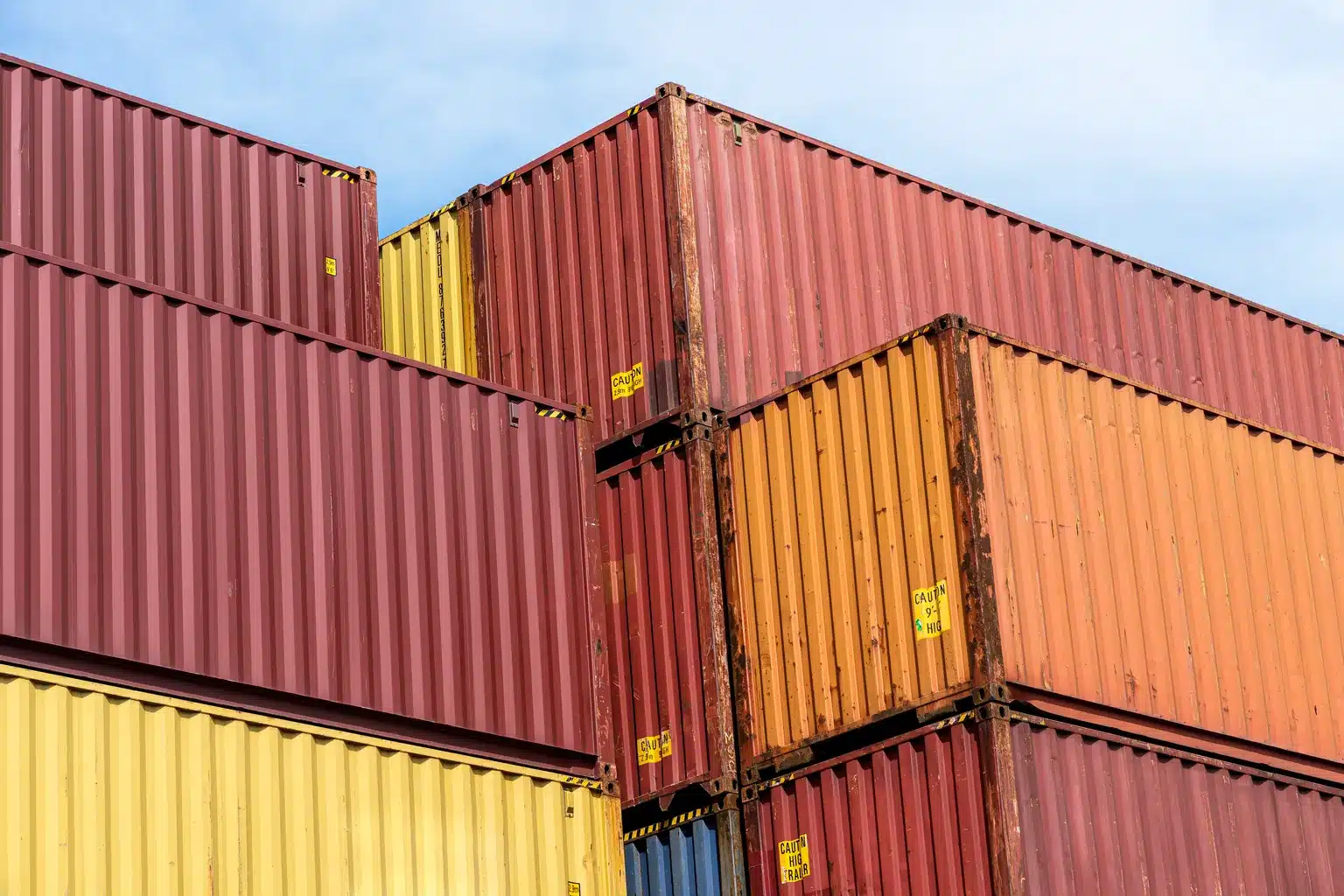
Cargo insurance covers loss of or damage to goods in transit, according to the perils, conditions and exclusions in the policy. KTC Global Logistics arranges cargo insurance for import and export shipments by sea, air and land, collecting the product, value and route details for the insurer to consider before the policy is issued.
Cargo insurance coordination at a glance
- Collecting the product details, value, route and transport mode for the insurance request
- Checking the product and route information before sending it to the insurer
- Coordinating an initial check of the premium, coverage conditions and Sum Insured
- Coordinating issue of the Policy or insurance Certificate, as applicable
- Telling you about any additional documents the insurer needs, and helping coordinate initial paperwork if the goods are damaged
The insurer decides whether to accept the risk, sets the premium, issues the policy and pays claims under the policy conditions. KTC does not guarantee the outcome of any claim.
Who this service is for / when to use it
- Importers or exporters whose goods are high-value, fragile or perishable
- Buyers on terms where the seller does not insure the goods, such as EXW or FOB
- Shipments with several legs, such as truck from the factory, then vessel, then truck at destination, or with transshipment on the way
- Shippers who wrongly assume the carrier is liable for the full value of the goods, when carrier liability is usually capped by the transport terms or by law
ICC (A), (B) and (C): how the coverage differs
International cargo insurance commonly uses the Institute Cargo Clauses (ICC), which come in 3 levels. Based on the 1/1/09 wording, the overview is as follows.
| Clause | General scope |
|---|---|
| ICC (A) | Covers all risks of loss of or damage to the goods, except those listed in the exclusions |
| ICC (B) | Covers named perils only: all the perils in (C), plus earthquake, volcanic eruption, lightning, washing overboard, entry of sea, lake or river water into the vessel, container or place of storage, and total loss of any package lost overboard or dropped while loading or unloading |
| ICC (C) | Covers named major perils only, such as fire or explosion, the vessel being stranded, grounded, sunk or capsized, overturning or derailment of a land vehicle, collision, and jettison of cargo for the safety of the vessel |
Even ICC (A), the widest cover, has exclusions, such as war and strikes, which must be bought separately under their own clauses. Always read the policy actually issued, its endorsements and its exclusions.
How the cargo insurance process works
- Send the shipment details: goods, value, origin, destination and transport mode.
- Check the data and the risks of the goods. We look at packaging, route and any goods that must be declared specially.
- Request conditions and premium. We send the data to the insurer to consider the conditions, sum insured and premium.
- Confirm the cover. We check that the start and end points of the cover match the actual route.
- Issue the policy or certificate before the goods start moving, and update the vessel or flight details when available.
- If damage occurs, report it immediately and keep the evidence. Our team helps coordinate initial paperwork within the scope of service.
What to prepare for a quotation
- Commercial Invoice and Packing List
- Type of goods, value and currency
- Number of packages and type of packaging
- Starting point and destination, including any road legs before and after the port or airport
- Transport mode, and vessel, flight or truck details if available
- Trade terms (Incoterms) and the cargo ready date or departure date
- The level of cover you want, such as ICC (A) or additional war cover
If the Bill of Lading or Air Waybill has not been issued yet, you can start by requesting conditions based on the booking details and route.
What affects the cost
- The sum insured, based on the value of the goods, freight and any uplift agreed with the insurer
- Type of goods and packaging
- Origin and destination countries, the route and any transshipment
- Transport mode, and whether the cargo is LCL or FCL
- Level of cover and additional conditions
- Deductible, if any
The final premium is set by the insurer. A rate used for a previous shipment may not apply to a new one.
Cargo insurance rules worth knowing
- Incoterms 2020. CIF requires the seller to obtain at least ICC (C) cover, while CIP requires ICC (A). The minimum sum insured is generally 110% of the contract price. The parties may agree a different level. See the explanation from the International Chamber of Commerce (ICC Academy).
- Period of cover. Under the ICC Transit Clause, cover starts when the goods are first moved in the warehouse or place of storage named in the policy for loading onto the conveyance. If you want cover from pickup at the factory, that origin must be named in the policy.
- The insurer must be licensed. Non-life insurers in Thailand are supervised by the Office of Insurance Commission (OIC, คปภ.).
Frequently asked questions
Does the sum insured always have to be the value of the goods plus freight plus 10%?
Not always. This formula is common in international trade, but the actual sum insured must follow the sales contract and the conditions the insurer accepts.
Does ICC (A) cover everything?
No. ICC (A) is wider than (B) and (C), but it still has exclusions, such as insufficient packing, the natural deterioration of the goods and delay.
Can we buy insurance after the goods have left?
Do not assume cover can be arranged retroactively. Acceptance depends on the insurer. It is best to have everything in place before the goods start moving.
The carrier is already liable. Do we still need insurance?
Carrier liability and cargo insurance are different things. Carrier liability usually has caps and exclusions, so it may not cover the full value of the goods.
Can less-than-container load (LCL) cargo be insured like full container load cargo?
Yes, both can be insured, but the insurer may assess packaging, route and risk differently.
What should we do if goods are damaged in transit?
Photograph the goods and packaging before moving them, keep the packaging and transport documents, note the damage on the delivery receipt, then notify the carrier, KTC and the insurer immediately, because policies usually set a deadline for reporting.
Want to know the cargo insurance conditions and premium for your shipment?
Send the commercial invoice, type of goods, origin, destination and transport mode for our team to check before the goods move. Call +66 2 286 1967 or LINE @ktclogistics (Mon–Fri 09:00–17:00, Thailand time), or request a quote.