International Ocean Freight Services

Company Profile

Ocean freight is suitable for businesses importing or exporting goods internationally, particularly for shipments with large volumes or heavy cargo, or when transit time can be planned in advance. Depending on cargo volume, routing, and the total cost of each shipment, you can choose between Less than Container Load (LCL) and Full Container Load (FCL) services.
KTC Global Logistics provides sea freight services for both imports and exports. We can assist with selecting the appropriate shipping option, vessel booking, pickup coordination, customs clearance within the agreed scope of service, shipping document review, and coordination with destination agents. Services are available through major ports such as Laem Chabang Port and Bangkok Port, subject to the routing and service availability.
To request a rate check, please provide the Port of Loading, Port of Discharge, commodity, number of packages, gross weight, dimensions or CBM, cargo ready date, and Incoterms. Our team can then review the suitable service option, sailing schedule, and estimated charges.
Need an Ocean Freight Quote?
Send us your shipment details, including the origin and destination ports. KTC will review whether LCL or FCL is more suitable and provide the available schedule and estimated charges before booking.
What Is Ocean Freight?
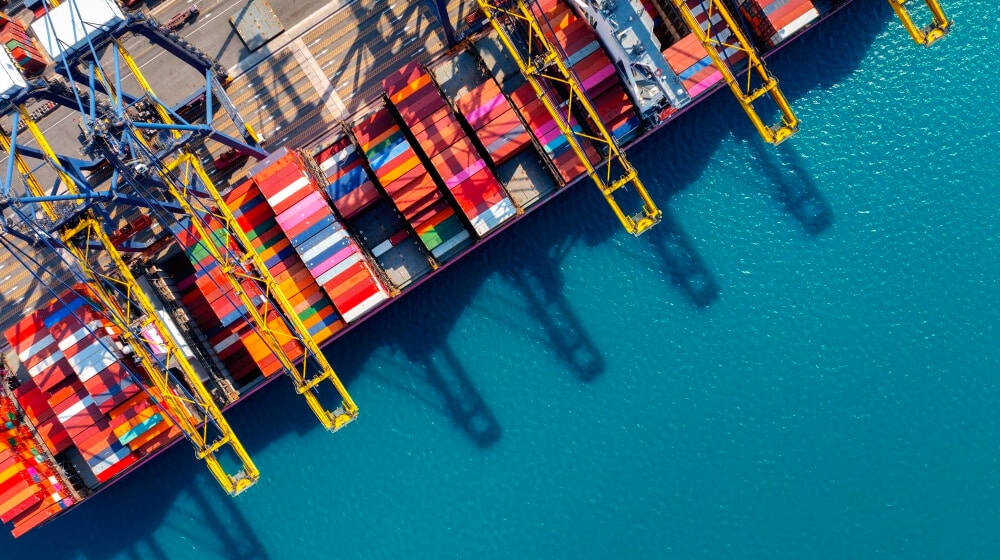
Ocean freight, or sea freight, is the international transportation of goods by sea. Cargo can be shipped as Less than Container Load (LCL), where container space is shared with other shipments, or as Full Container Load (FCL), where the entire container is used for one shipment.
This service is suitable for both imports and exports. The scope of service can range from Port-to-Port transportation and pickup from a factory or warehouse to delivery at the destination country, depending on the Incoterms, country, cargo type, and quotation for each shipment.
Compared with air freight, ocean freight is generally more suitable for larger or heavier shipments that are not highly time-sensitive. However, the transportation method should not be selected based on the freight rate alone. Origin charges, destination charges, transit time, and cargo handling risks should also be considered.
Should You Choose LCL or FCL?
LCL is suitable for shipments with relatively small volumes that do not require a full container, while FCL is more suitable for larger shipments or cargo that requires the exclusive use of a container.
LCL Ocean Freight
LCL, or Less than Container Load, is a shipping method in which cargo shares container space with shipments from other shippers. It is suitable for smaller cargo volumes and is commonly charged based on the space or weight used, subject to the co-loader’s calculation method.
LCL freight and local charges may be calculated based on CBM, Weight/Measurement, or the co-loader’s tariff. Charges may also include Origin Charges and Destination Charges, depending on the quotation and service conditions.
LCL shipments also involve consolidation and deconsolidation processes in addition to the main ocean transportation. As a result, sailing schedules, cut-off times, and transit times may vary depending on the routing and service provider.
FCL Ocean Freight
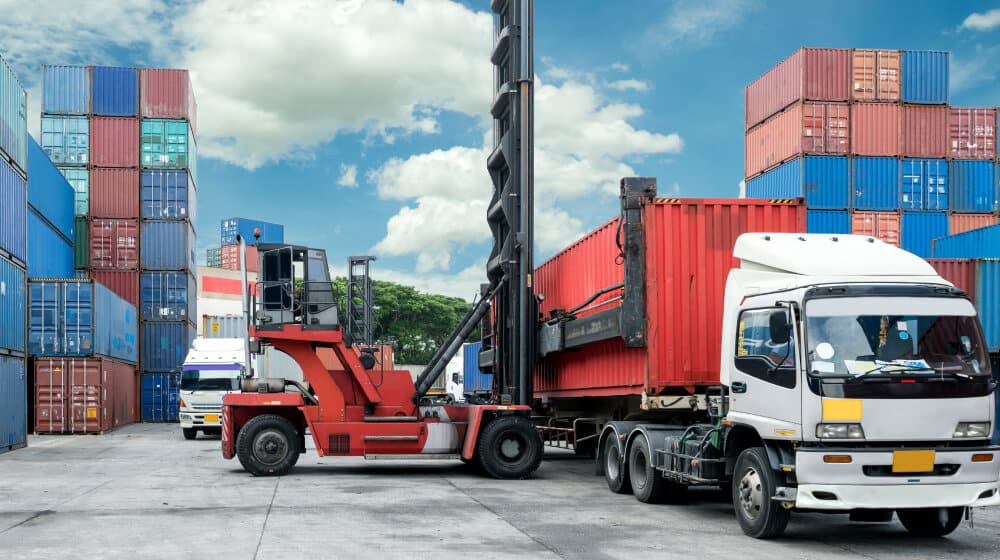
FCL, or Full Container Load, means using an entire container for a single shipper’s shipment. It is suitable for larger cargo volumes, heavier shipments, or cargo that requires better control over loading, arrangement, and container usage.
Common container sizes include:
- 20′ General Purpose (20’GP)
- 40′ General Purpose (40’GP)
- 40′ High Cube (40’HC)
Container selection should not be based on CBM or the number of pallets alone. Dimensions, gross weight, stuffing method, load distribution, cargo characteristics, and the carrier’s maximum payload restrictions should also be reviewed.
Which Is More Cost-Effective: LCL or FCL?
There is no fixed cargo volume at which FCL is always cheaper than LCL, as the total cost of each shipment must be compared.
On some routes, the LCL freight rate may appear lower. However, once CFS, handling, documentation, and destination charges are included, FCL may become more cost-effective for shipments with larger cargo volumes.
On the other hand, shipments with relatively small volumes may not justify booking an entire container, as the shipper would still be responsible for the ocean freight and related charges for the full container.
Therefore, before booking, it is advisable to provide the CBM, weight, number of packages, and routing so that LCL and FCL can be compared based on the total estimated cost, rather than the freight rate alone.
What Does KTC’s Ocean Freight Service Cover?
The scope of service can be arranged according to the Incoterms and requirements of each shipment, from cargo pickup in Thailand to coordination with the destination agent.
Services that can be reviewed and arranged within the agreed scope include:
- Checking Ocean Freight Rates and Sailing Schedules
- Vessel Space Booking with Carriers or Co-loaders
- Coordinating Cargo Pickup from Factories or Warehouses
- Arranging Container Trucking for FCL Shipments, Subject to Location and Service Conditions
- Coordinating Cargo Delivery to the CFS for LCL Shipments
- Import or Export Customs Clearance Within the Agreed Scope of Service.
- Reviewing Shipping Instructions and Draft Bills of Lading
- Coordinating Shipping Documentation
- Tracking Sailing Schedules and Shipment Status
- Coordinating with Overseas Agents
- Checking Destination Delivery Services, Subject to Country and Location
The services and charges included should therefore be reviewed based on the quotation for each shipment, particularly destination charges, duties, taxes, storage, demurrage, detention, and any additional charges that may arise.
What Information Is Required for an Ocean Freight Quote?
The most important information includes the routing, commodity, cargo volume, weight, and cargo ready date, as these details affect the choice between LCL and FCL, as well as carrier options and sailing schedules.
Please provide the following information:
- Cargo Pickup Location or Pick-up Address
- Port of Loading (POL), if already specified
- Port of Discharge (POD)
- Delivery Address, if destination delivery is required
- Commodity or Cargo Description
- HS Code, if available
- Number of Packages
- Cargo Dimensions
- Gross Weight
- CBM for LCL Shipments, if available
- Type of Packaging, such as Cartons, Pallets, Wooden Cases, or Machinery
- Container Type and Number of Containers for FCL Shipments, if known
- Cargo Ready Date
- Incoterms, such as EXW, FOB, CFR, CIF, DAP, or DDP
- Commercial Invoice and Packing List, if available
If the cargo includes Dangerous Goods, chemicals, batteries, oversized cargo, or any other special requirements, please inform us at the quotation stage so that acceptance and carrier requirements can be checked before booking.
What Charges Are Included in Ocean Freight Shipping?
Sea freight costs are not limited to the ocean freight rate alone. Depending on the scope of service, additional charges may apply at origin, during transportation, at the terminal, and at destination.
Common charges may include:
- Ocean Freight
- Origin Local Charges
- Terminal Handling Charges or Port Service Charges, as applicable
- Documentation Fee
- Customs Clearance
- Pickup or Inland Transportation
- CFS Charges for LCL Shipments
- Destination Local Charges
- Delivery Charges, if door delivery is required
- Import Duties and Taxes, where applicable
Charges may vary depending on the carrier, routing, sailing schedule, container availability, peak season, and booking period. Rate validity and quotation conditions should therefore be checked before confirming a booking.
What Documents Are Required for Ocean Freight Shipping?
The Commercial Invoice and Packing List are the main documents used for shipment preparation. Additional documents may be required depending on the commodity, shipping requirements, regulations, and destination country.
Documents and information that should be prepared include:
- Commercial Invoice
- Packing List
- Shipper and Consignee Details
- Cargo Description
- HS Code, if available
- Country of Origin, if applicable
- Shipping Instructions for Bill of Lading Preparation
- Licenses or Certificates for Goods Subject to Specific Regulatory Requirements
The Thai Customs Department sets procedures for sea import and export clearance, including electronic customs declarations and compliance with applicable regulations. For the latest requirements, please refer to the official Thai Customs Department website.
If you have not previously imported or exported goods, you should check your customs registration status and any required documentation in advance before arranging the shipment.
What Types of Cargo Should Be Checked Before Booking Sea Freight?
Dangerous goods, chemicals, goods subject to licensing requirements, and cargo requiring special transportation equipment should be checked before booking.
Examples include:
- Chemicals and Dangerous Goods
- Batteries and Battery-Powered Products
- Flammable Liquids, Paints, Adhesives, or Other Products That May Be Classified as Dangerous Goods
- Food, Pharmaceuticals, Cosmetics, and Health Products
- Medical Devices
- Telecommunication Equipment or Goods Subject to Specific Regulatory Requirements
- Machinery or Oversized and Heavy Cargo
- Goods Requiring an Import or Export Permit
For dangerous goods transported by sea, the classification, packing, marking, labeling, and documentation must be checked against the applicable IMDG Code requirements, together with carrier acceptance and any specific carrier conditions before booking.
KTC can assist with reviewing shipment information and coordinating the relevant procedures. However, approval or acceptance is subject to the cargo type, supporting documents, carrier requirements, and the responsible authorities in each case.
What Is the Ocean Freight Shipping Process?
The process begins with reviewing the cargo details and routing, followed by selecting LCL or FCL, booking vessel space, and arranging the shipment in line with the vessel cut-off time.
- Submit Shipment Details – Provide the Route, Commodity, Number of Packages, Weight, CBM, and Cargo Ready Date
- Select the Shipping Method – Determine whether LCL or FCL is more suitable and select the appropriate container type for FCL shipments
- Review Rates and Schedules – Compare carriers, routing, transit times, and applicable charges and conditions
- Confirm Booking – Reserve Vessel Space and Check the Relevant Cut-off Times
- Arrange Cargo Pickup or Stuffing – Coordinate Pickup, CFS Delivery, or Container Stuffing Depending on the Shipment Type
- Arrange Export Customs Clearance – Prepare the Required Information and Complete Customs Clearance Within the Agreed Scope of Service
- Review Shipping Documents – Check the Shipping Instructions and Draft Bill of Lading Before Final Issuance
- Ocean Transportation – Monitor the Sailing Schedule and Coordinate Shipment Information Between Origin and Destination
- Destination Handling – Coordinate Import Clearance or Delivery According to the Agreed Scope of Service
ETD, ETA, and transit time may change due to vessel schedules, port congestion, transshipment, weather conditions, carrier operations, or other factors. The schedule should therefore be checked again closer to the shipment date.
Frequently Asked Questions About Ocean Freight
Should I Choose LCL or FCL?
LCL and FCL should be compared based on CBM, weight, number of packages, routing, and total cost. Freight rates alone should not be used to make the decision, as local charges and destination charges can vary significantly between routes.
What Determines Ocean Freight Charges?
Charges depend on factors such as whether the shipment is LCL or FCL, the Port of Loading, Port of Discharge, commodity, weight, CBM, container type, carrier, booking period, and any origin or destination charges included within the scope of service.
Is There a Minimum Shipment Requirement for Ocean Freight?
LCL shipments may be subject to a minimum charge or minimum revenue based on the co-loader’s tariff and routing. FCL charges are generally based on the number and type of containers, so the applicable rate should be checked for each shipment.
How Long Does Ocean Freight Take?
Transit time depends on the origin and destination ports, port pair, carrier, whether the service is direct or involves transshipment, and the sailing schedule at that time. The actual schedule should therefore be checked for each shipment.
Can Dangerous Goods Be Shipped by Sea?
Some dangerous goods can be shipped by sea, but the UN Number, Class, Packing Group (if applicable), technical information, and carrier acceptance must be checked before booking.
Does KTC Provide Both Import and Export Services?
KTC Global Logistics provides sea freight services for both imports and exports, depending on the routing, cargo type, and agreed scope of service for each shipment.
What Information Is Required to Request a Quote?
At a minimum, please provide the POL, POD, commodity, number of packages, gross weight, dimensions or CBM, and cargo ready date. For FCL shipments, please also provide the required container type and number of containers.
Request an FCL or LCL Ocean Freight Quote
Send us the routing, cargo details, number of packages, weight, CBM or container type, and cargo ready date. KTC Global Logistics will review the available ocean freight options, sailing schedules, and applicable charges before booking.