Why choosing the right container size matters in international shipping
In sea freight and cross-border transport, choosing a container type and size that suits the size, shape and weight of your goods is a key step. It keeps the load well organised, prevents cargo from shifting and getting damaged in transit, and makes freight cost calculations more accurate.
Standard ISO container specifications and dimensions
Standard ISO containers commonly used for shipping have the following approximate internal and external dimensions, payload and capacity:
| Container type | External L x W x H (mm) | Internal L x W x H (mm) | Approx. max payload (kg) | Capacity (CBM) |
|---|---|---|---|---|
| 20ft Dry Container | 6,058 x 2,438 x 2,591 | 5,898 x 2,350 x 2,390 | 28,000 – 28,330 | 33.1 |
| 40ft Dry Container | 12,192 x 2,438 x 2,591 | 12,032 x 2,350 x 2,390 | 26,500 – 26,840 | 67.6 |
| 40ft High Cube (HQ) Dry Container | 12,192 x 2,438 x 2,896 | 12,032 x 2,350 x 2,695 | 28,500 – 28,800 | 76.2 |
| 20ft Reefer Container | 6,058 x 2,438 x 2,591 | 5,456 x 2,288 x 2,263 | 27,000 – 27,670 | 28.2 |
| 40ft High Cube Reefer Container | 12,192 x 2,438 x 2,896 | 11,590 x 2,284 x 2,544 | 29,500 – 30,510 | 67.5 |
| 20ft Flat Rack | 6,058 x 2,438 x 2,591 | 5,568 x 2,194 x 2,213 | 31,000 – 35,000 | 28.4 |
| 40ft Flat Rack | 12,192 x 2,438 x 2,591 | 11,652 x 2,208 x 1,955 | 38,000 – 38,800 | 53.2 |
| 20ft Open Top | 6,058 x 2,438 x 2,591 | 5,898 x 2,350 x 2,348 | 28,000 – 28,240 | 32.5 |
| 40ft Open Top | 12,192 x 2,438 x 2,591 | 12,022 x 2,350 x 2,348 | 26,000 – 26,600 | 66.3 |
Note: dimensions and maximum payload may vary slightly by manufacturing series and each shipping line’s specifications.
Container types and their uses
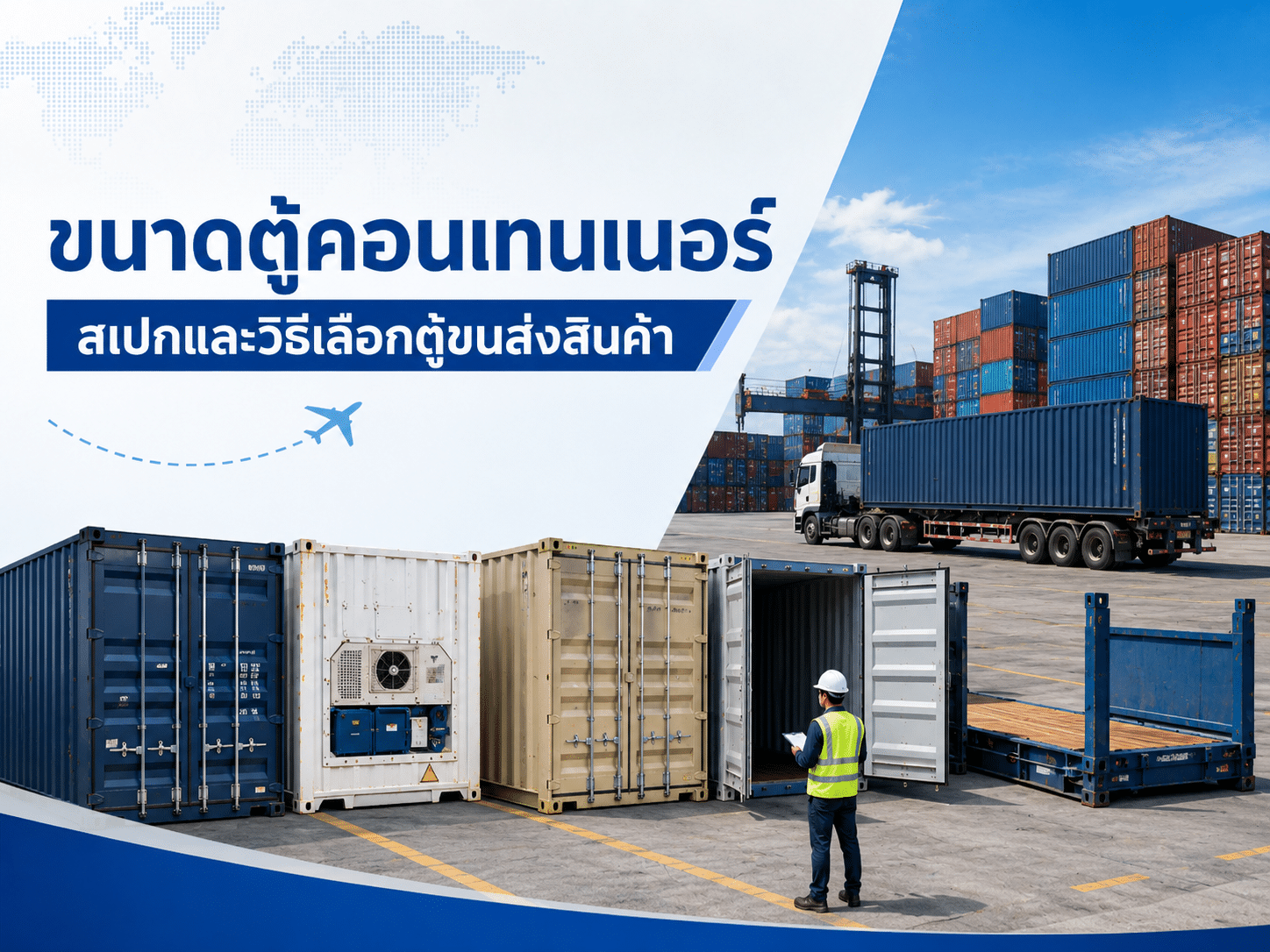
1. Dry container (general purpose)
A standard container closed on all sides, and the most widely used for general goods that do not need temperature control, such as clothing, household goods, furniture or electronic components. For taller cargo, a 40ft High Cube (HQ) container gives about 30 cm more internal height than a standard container.
2. Refrigerated (reefer) container
A container with a built-in refrigeration unit and insulated walls, used for perishable goods such as fresh vegetables and fruit, frozen food, medicines or certain chemicals that must stay at a set temperature in transit. Temperature and ventilation requirements for these goods must be checked case by case.
3. Flat rack container
A container with no side walls or roof, only a floor and end posts. It suits out-of-gauge (OOG) cargo larger than standard container dimensions, such as large machinery, steel pipes or vehicles, which are loaded from the side or top and must be lashed securely.
4. Open top container
Similar to a dry container but open at the top, covered with a tarpaulin instead of a steel roof. It suits cargo taller than the container door, or goods that need to be lowered in by crane from above.
How to calculate cargo volume (CBM) to choose a container size
Calculating the total volume of your goods helps you decide between a 20ft and a 40ft container. The standard formula is:
CBM (cubic metres) = width (m) x length (m) x height (m) x number of cartons or pallets
Initial guidelines:
- Total volume up to 28–30 CBM: usually a 20ft dry container
- Total volume of 30–60 CBM: usually a 40ft dry container
- Total volume of 60–68 CBM, or tall cargo: usually a 40ft High Cube dry container
Points to watch when choosing a container size
- Consider payload as well as volume: heavy goods (such as ore, steel or liquids) may reach the weight limit before the container is full by volume. Check the gross weight and each country’s road weight limits.
- Allow for stowage loss: irregular or palletised cargo cannot fill 100% of the container volume. Leave space for stowage and dunnage.
- Special goods and permits: some goods, such as food, medicines, dangerous goods or machinery with chemical residues, need their documents and permits checked case by case with the regulating agency.
For advice on choosing a container size, or a quote for international sea freight (FCL/LCL) and road freight, contact KTC Global Logistics at 02-286-1967 or LINE: @ktclogistics.