Shipping to Vietnam, whether commercial goods, samples, spare parts, machinery or general items, involves more than the freight cost. You also need to consider the type of goods, transport mode, documents, customs clearance and Vietnam’s import conditions.
Preparing information before asking for a quote helps estimate costs more realistically and reduces problems when the goods arrive.
KTC Global Logistics provides international transport and can help assess the right transport mode for each type of goods and destination in Vietnam.
1. What are the ways to ship to Vietnam?
Choose how to ship to Vietnam based on the type of goods, quantity, weight, urgency, origin and destination.
Road freight
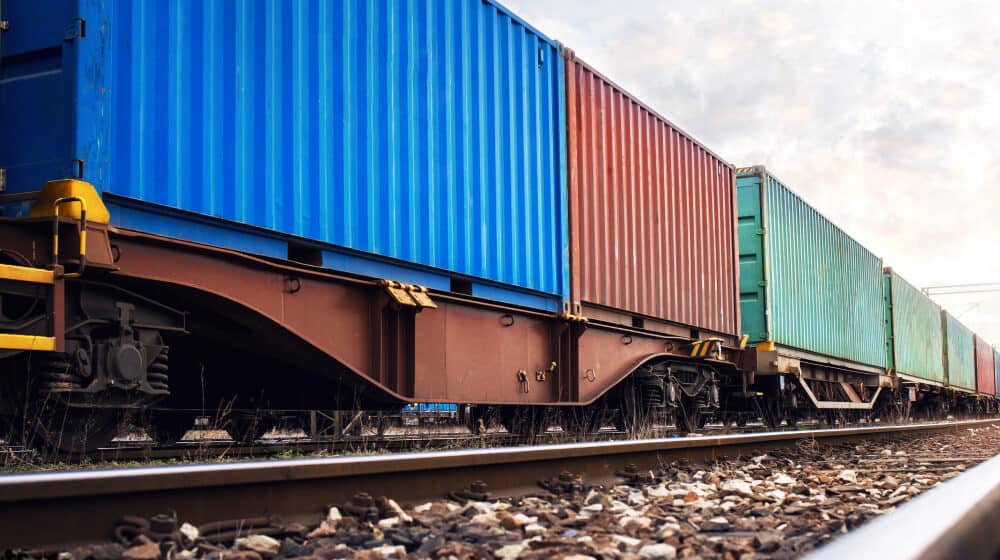
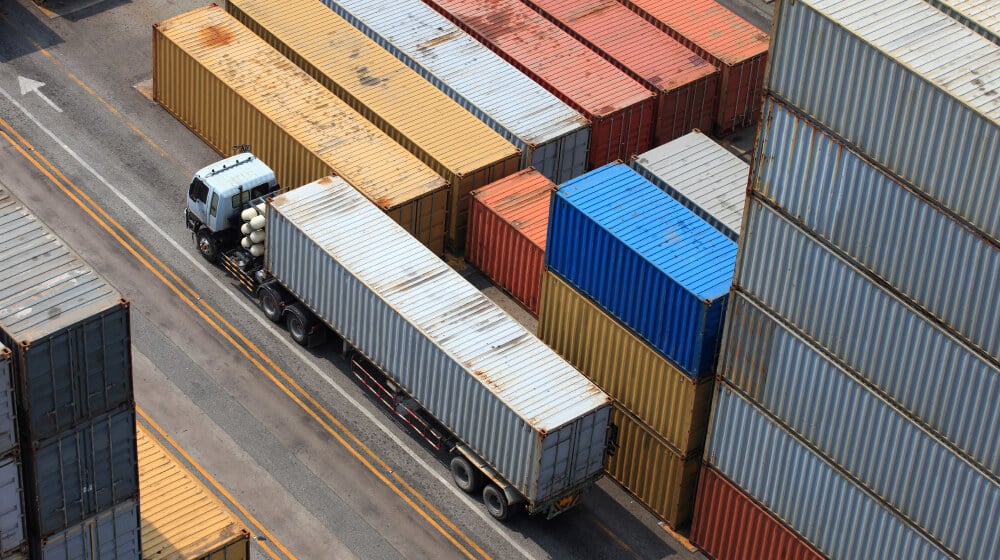
Thailand and Vietnam are connected by road through neighbouring countries. Road freight suits goods that need a relatively short transit time, from consolidated loads to full truckloads.
Route details and border procedures may differ by type of goods and transport arrangement, so check them per shipment.
Sea freight
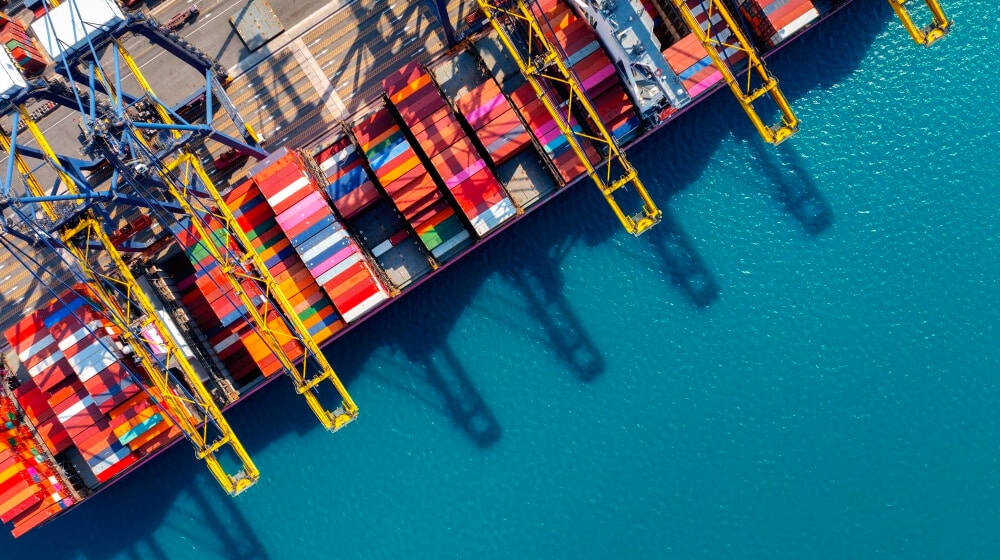
Suits large volumes, heavy goods or shipments that are not urgent. You can choose:
- LCL for less than a container load
- FCL for a full container, such as 20’GP or 40’HC
The port used depends on the origin and destination areas, for example shipments to northern or southern Vietnam.
Air freight
Suits urgent goods, high-value goods, samples, spare parts or small, light shipments.
Air freight costs are based on both actual weight and volumetric weight, or chargeable weight.
Door-to-door shipping to Vietnam
To reduce coordination with several parties, you can ask for a door-to-door quote, where the provider covers pickup at origin through to delivery at the consignee’s premises within the agreed scope.
Note: door to door does not automatically mean every cost is included. Check whether the price includes import duties, customs fees, destination charges or other costs.
2. Which cities in Vietnam can you ship to?
Vietnam has economic and industrial areas across several regions. Common destinations include:
Northern Vietnam
- Hanoi
- Hai Phong
- Bac Ninh
- Hai Duong
- Quang Ninh
The areas around Hanoi and Hai Phong have industrial estates, factories and major ports.
Central Vietnam
- Da Nang
- Hue
- Quang Nam
Choose the transport mode based on the actual delivery address, because the distance from the port or border crossing affects inland transport costs.
Southern Vietnam
- Ho Chi Minh City
- Binh Duong
- Dong Nai
- Bien Hoa
- Can Tho
Ho Chi Minh City and its surrounding area is one of Vietnam’s main trade and industrial centres.
So before asking for a quote to ship to Vietnam, give the full delivery address down to district, city and province, not just the country name.
3. Information to prepare before asking for a Vietnam shipping quote
Saying “I have goods to send to Vietnam, how much is it?” is not enough to calculate freight.
Prepare at least the following:
- Product name
- Product description
- Number of cartons or pallets
- Dimensions: width × length × height
- Weight per carton and total weight
- Value of the goods
- HS code, if available
- Pickup address in Thailand
- Delivery address in Vietnam
- Cargo ready date
- Preferred transport mode
- Incoterms, such as EXW, FOB, CIF, DAP or DDP
- Product photos, if the goods need to be checked
Complete information helps the provider choose the transport mode and estimate costs more accurately.
4. Documents used for shipping to Vietnam
The documents needed depend on whether you ship as an individual or a company, the type of goods and the terms of sale.
Commercial invoice
Shows the sale details, such as seller, buyer, product description, quantity, price, currency and Incoterms.
Packing list
Shows the packing details, such as number of cartons, net weight, gross weight and package dimensions.
Transport documents
- Bill of lading for sea freight
- Air waybill for air freight
- Road transport documents for cross-border shipments
Some goods may need extra licences, certificates or specific documents, so do not use the same document list for every type of goods.
5. Which goods need special checks?
Before you ship to Vietnam, check whether the goods can be imported or have extra conditions.
Examples of goods that may need special checks:
- Food and beverages
- Cosmetics
- Medicines and health products
- Chemicals
- Batteries
- Certain electronic goods
- Plants and plant products
- Animal products
- Used machinery
- Goods that need specific standards or licences
Requirements do not depend only on the product name, but also on composition, intended use, HS code and the regulating agency.
If you are unsure, check with the importer in Vietnam, the customs broker or
Vietnam Customs
before shipping.
6. The shipping process to Vietnam
Step 1: Send the product details
Send the product information, size, weight, origin and destination addresses and cargo ready date.
Step 2: Check the transport mode
Decide whether to use road, sea, air or a combination, and check whether the goods have special conditions.
Step 3: Quotation
Check the scope of the price carefully, such as:
- Pickup charge
- Freight
- Customs clearance fees
- Origin charges
- Destination charges
- Delivery to the consignee
- Import duties and taxes
For door-to-door jobs in particular, ask clearly whether the price is DAP, DDP or another term.
Step 4: Prepare documents and ship
After the booking is confirmed, the goods are picked up, documents prepared and the goods shipped on the scheduled truck, vessel or flight.
Step 5: Handling in Vietnam and delivery
When the goods arrive in Vietnam, they go through import procedures and are delivered to the consignee according to the service terms.
7. What do cost and transit time depend on?
Do not assume a fixed number of days to ship to Vietnam, because transit time depends on many factors, such as:
- Transport mode
- Origin and destination provinces
- Route used
- Truck, vessel or flight schedule
- Customs clearance time
- Type of goods
- Holidays
- Cargo inspection
- Document completeness
The same goes for freight costs, which change with weight, volume, route, fuel prices, freight rates and providers’ charges over time.
For a price you can actually use, send the shipment details and ask for a quotation case by case.
8. Frequently asked questions about shipping to Vietnam
How many days does shipping to Vietnam take?
It depends on the transport mode, origin, destination and customs procedures. Air freight is generally faster than sea freight, but check the transit time of the actual sailing or flight before confirming the shipment.
Can I ship to Vietnam door to door?
It can be arranged in many cases, but the type of goods and delivery address must be checked first, and it must be agreed clearly whether the price includes import clearance, taxes and destination charges.
Can I get a quote without an HS code?
You can send the product details and photos for an initial assessment, but for commercial import and export the HS code matters for tax rates and product requirements.
Can I send food or cosmetics?
Do not decide from the product name alone. Food, cosmetics and health products may have extra requirements or registration, so always check before shipping.
Can I ship in a company name?
Yes. Prepare the commercial invoice, packing list and full details of the shipper and importer companies, plus any product-specific documents.
What do you need to prepare for a Vietnam shipping quote?
- Product name and description
- Quantity
- Dimensions
- Weight
- Pickup address
- Delivery address in Vietnam
- Cargo ready date
- Product photos
- HS code, if available
- Preferred transport mode or deadline
The more complete the information, the more accurate the route and cost assessment.
Need to ship goods to Vietnam?
Contact KTC Global Logistics and our team will check your cargo details and recommend a suitable transport option before you decide. Contact us