Cross-Border Road Freight Services

Company Profile
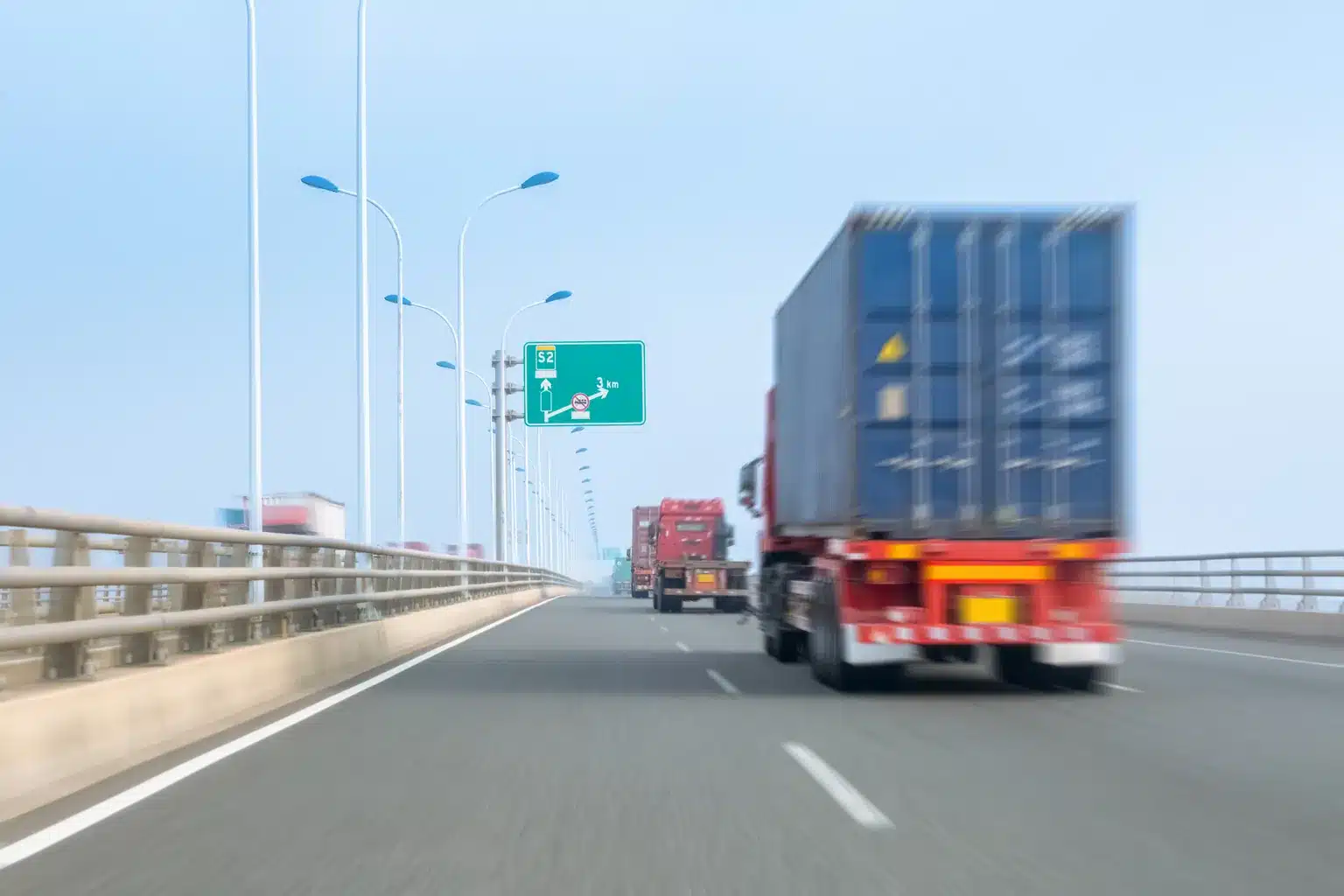
Cross-border road freight moves goods by land between Thailand and neighbouring countries, with customs clearance at the border checkpoints. KTC Global Logistics arranges both less-than-truckload (LTL) and full truckload (FTL) shipments, and helps choose the route, border crossing and truck type to suit the cargo and destination.
Cross-border road freight at a glance
- Pickup from a factory or warehouse in Thailand, through to delivery at the destination factory, warehouse or address, within the agreed scope
- Choice of LTL or FTL, and a truck type matched to the weight and size of the cargo
- Route and border-crossing planning, including any transit countries
- Export customs clearance in Thailand and coordination of clearance in the destination country
- Coordination of tractor changes, truck changes or transloading at the border where the route requires it
- Tracking along the way and coordination with our agent in the destination country
Which countries can you reach?
Routes you can ask us about:
- Thailand – Malaysia
- Thailand – Singapore
- Thailand – Laos (Lao PDR)
- Thailand – Cambodia
- Thailand – Vietnam
- Thailand – Myanmar
Some destinations, such as Singapore or Vietnam, require transit through another country with extra border procedures. Border crossings, truck schedules and border rules can change, and some checkpoints may close under government measures, so the current route must be checked before every booking.
Who is it for?
- Exporters shipping to customers or factories in neighbouring countries
- Goods that need delivery to a destination address without going through a seaport or airport
- Multi-pallet loads, heavy cargo, or small lots that don’t need a dedicated truck
LTL vs FTL: what is the difference?
| Topic | Less-than-truckload (LTL) | Full truckload (FTL) |
|---|---|---|
| How it works | Truck space is shared with other shippers’ cargo | A whole truck is dedicated to your shipment |
| Best for | A few cartons or a few pallets | Large volumes, heavy cargo, or goods you don’t want consolidated with others |
| How it is charged | By weight, volume, space used, or the route’s minimum charge | By truck type and route |
| Things to watch | Cargo may be consolidated or transferred along the way | Not every truck type can cross the border on every route |
There is no fixed weight or volume at which one option is always cheaper. As the cargo grows, the LTL cost may come close to the price of a full truck. Compare transit time, how many times the cargo is handled and whether transloading is needed, not just the truck rate.
Truck types we can check by route include 4-wheel trucks, 6-wheel trucks, 10-wheel trucks, trailers and tractor units with containers. The choice depends on payload, cargo dimensions and the rules of each country the truck passes through.
Does the cargo stay on the same truck all the way?
Not on every route. On some routes the truck can run through under certain conditions, but on others the tractor or truck must be changed, or the cargo transloaded, at the border. If your cargo must not be transferred, needs a special truck or requires temperature control, tell us when you ask for a quote.
How cross-border trucking works
- Send the pickup and delivery addresses, cargo details, number of packages, dimensions, weight and cargo ready date
- KTC checks the route, border crossing, transit countries and any transloading
- We choose LTL or FTL and the truck type, and check export, transit and import documents
- We quote based on the route and scope of work
- You confirm, we arrange the truck and schedule pickup
- Pickup, export clearance and border crossing
- Coordination of import clearance at destination, then delivery to the agreed location
Transit time varies with the route, border inspections, holidays, traffic and each country’s rules, so it has to be checked for each shipment.
What information do you need for a quote?
- Pickup address and destination delivery address
- Name and description of the goods, with the HS code if you know it
- Number of packages or pallets, dimensions of each package and total weight
- Packaging type, such as cartons, pallets, wooden crates or machinery, and whether it can be stacked
- Cargo ready date
- Incoterms, such as EXW, FCA, DAP or DDP. See Incoterms 2020 for what they mean
- Commercial invoice and packing list, if already available
What affects the cost?
- Origin, destination and transit countries
- LTL or FTL, and the truck type
- Weight, dimensions and stackability of the cargo
- Tractor changes, truck changes or transloading at the border
- Customs clearance at origin and destination, within the agreed scope
- Special requirements, such as a dedicated truck, temperature control or restricted pickup days and times
Duties and taxes, customs fees, border charges and destination charges are not automatically included in the trucking rate. Check the quotation for each shipment.
Export clearance by land and goods to check first
Under the procedures of the Thai Customs Department, general goods exported by land need an electronic export declaration submitted before the cargo reaches the border checkpoint. After the goods are loaded onto the truck, goods transition control data must be submitted before the truck leaves for the checkpoint.
The filing uses the commercial invoice, the packing list and, for export-controlled goods, the relevant licence. The destination country or transit countries may ask for different documents from the Thai side.
Goods to tell us about before booking a truck:
- Food, dietary supplements, drugs, cosmetics and medical devices
- Agricultural goods, plants, animals and plant or animal products
- Chemicals, dangerous goods, batteries and goods containing batteries
- Communication equipment and goods that need an import or export licence
- Goods whose size or weight exceeds the limits of the truck or route
Goods in the same category may need different licences depending on the HS code, destination country and purpose. KTC helps check and coordinate, but approval follows the rules of each country’s authorities.
Frequently asked questions
What is the difference between LTL and FTL?
LTL shares truck space with other shipments and suits smaller volumes. FTL dedicates a truck to one shipment and suits large volumes or special requirements.
Can I ship from Thailand to Singapore or Vietnam by truck?
You can ask us. Some routes pass through another country with extra customs steps, so the route and conditions of the actual shipment must be checked before confirming.
Which documents are needed?
Usually a commercial invoice and packing list, with shipper, consignee and cargo details. Licences depend on the goods and the rules of the countries involved.
Can dangerous goods go by truck?
It depends on the goods, UN number, quantity, packaging, route and the rules of the countries the truck passes through. Send the safety data sheet (SDS or MSDS) for checking before booking.
How many days does cross-border road freight take?
It depends on the country, route, border crossing, customs clearance and whether it is LTL or FTL, so it has to be checked for each shipment.
Want to check a cross-border route and trucking rate?
Send the origin, destination, cargo details, number of packages, dimensions, weight and cargo ready date. Call +66 2 286 1967 or LINE @ktclogistics (Mon–Fri 09:00–17:00, Thailand time), or request a quote