Cross-Border Road Freight Services

Company Profile

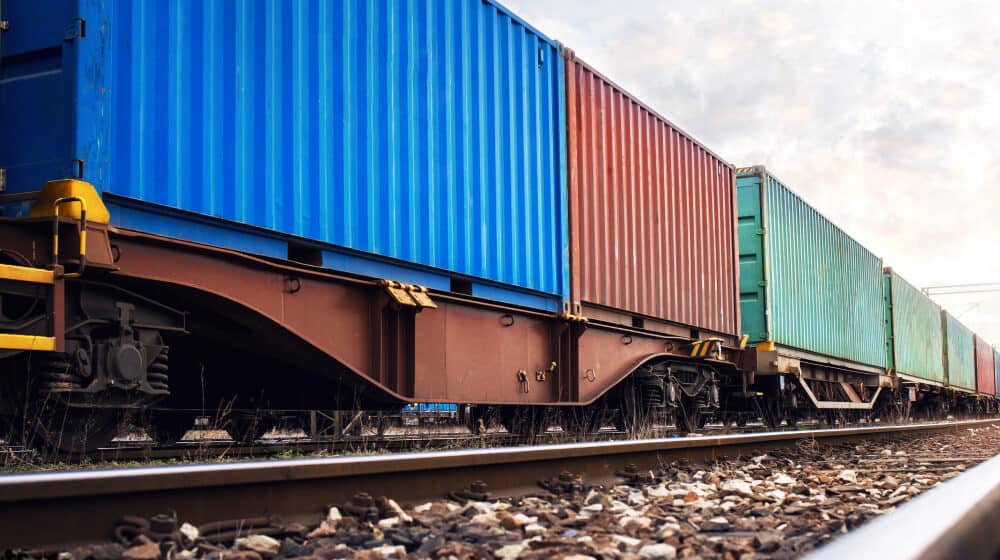
Cross-border road freight, or cross-border trucking, moves goods by land between Thailand and neighbouring countries in the region. Shipments can go as less-than-truckload (LTL) or full truckload (FTL), with the route, border crossing and truck type chosen to suit the cargo and destination of each shipment.
KTC Global Logistics checks the route, truck type, border crossing, customs clearance arrangements and the service scope from pickup to delivery as agreed. Actual service depends on the country, commodity, weight, dimensions, border checkpoint used and the rules in force at the time.
To check a rate, send the pickup and delivery addresses, commodity, number of packages, dimensions, gross weight, cargo ready date and Incoterms. Our team will confirm whether LTL or FTL fits and give an initial route and cost estimate.
Need a cross-border trucking rate?
Send the origin, destination and cargo details, and KTC will check the route, border crossing, truck type and whether LTL or FTL suits your shipment.
What is cross-border road freight?
It is international transport where trucks are the main mode, with customs clearance at the border checkpoints on the route.
The scope can cover pickup from a factory or warehouse in Thailand, trucking to the border, export clearance, coordination on the destination side and final delivery, according to the Incoterms and quotation for that shipment.
Some routes allow the same truck to continue through under the relevant conditions, while others require a change of tractor head, a change of truck or transloading at the border. Cross-border trucking does not always mean the cargo stays on the same truck for the whole journey.
Which countries can you reach by road?
Land routes can be checked for countries in the region connected to Thailand directly or through a transit country, but the availability of each route has to be confirmed per shipment.
Routes you can ask us to check include:
- Thailand – Malaysia
- Thailand – Singapore
- Thailand – Laos
- Thailand – Cambodia
- Thailand – Vietnam
- Thailand – Myanmar
For some destinations, such as Singapore or Vietnam, the shipment may pass through another country with extra transit steps. Routes, border checkpoints, truck schedules and border rules can change, so the current route should be checked before confirming a booking.
Should you choose LTL or FTL?
LTL suits smaller shipments that do not need a whole truck. FTL suits large volumes, heavy cargo or shipments that need a dedicated truck.
LTL road freight
LTL, or less than truckload, shares truck space with other shipments. It suits small lots that do not need a full truck.
Charges may be based on weight, volume, CBM, floor space used or a minimum charge under each route’s tariff, as well as whether the cargo can be stacked or consolidated with other goods.
Because LTL may involve consolidation, a hub or transfers along the route, check the actual transit time and cut-off before booking.
FTL road freight
FTL, or full truckload, means a truck dedicated to your shipment. It suits large volumes, multi-pallet loads, heavy cargo or goods that should not be consolidated with other shipments.
Truck types that can be checked against the route and job requirements include:
- 4-wheel truck
- 6-wheel truck
- 10-wheel truck
- Trailer truck
- Tractor head with container
Not every truck type can cross the border on every route. The truck has to be chosen by checking payload, dimensions, commodity, the rules of each country the truck passes through and how the border crossing operates.
Which is better value, LTL or FTL?
There is no fixed weight or CBM at which LTL or FTL is always cheaper. Compare the total cost of the actual shipment.
As volume grows, LTL charges based on weight or volume can approach the cost of a dedicated FTL truck. On the other hand, if you only have a few cartons or pallets, shared LTL space may be the better fit.
Also compare transit time, the number of handlings, whether transloading is needed and any cargo restrictions. Do not decide on the freight rate alone.
What does KTC’s cross-border trucking service cover?
The scope can be set by origin, destination, Incoterms and shipment requirements, from pickup in Thailand to delivery abroad as agreed.
Services we can check and coordinate on each route include:
- Pickup from a factory or warehouse
- Choosing between LTL and FTL
- Selecting the truck type by weight and size
- Planning the route and border crossing
- Export customs clearance within the agreed scope
- Coordinating customs clearance in the destination country
- Coordinating border-crossing or transit documents where needed
- Coordinating tractor or truck changes or transloading if the route requires it
- Tracking the shipment in transit
- Coordinating with agents in the destination country
- Delivery to the factory, warehouse or destination address as agreed
Duty, tax, customs charges, border charges and destination costs should not be assumed to be included in the trucking rate. Check them against the Incoterms and quotation for each shipment.
What information do you need before asking for a trucking quote?
Origin, destination, commodity, dimensions and weight are the key details for choosing the route and truck type. The more complete the details are from the start, the fewer rate revisions are needed if the job changes later.
Please provide:
- Pickup address
- Delivery address
- Origin and destination countries
- Commodity or cargo description
- HS code, if known
- Number of packages or pallets
- Dimensions of each package
- Gross weight
- CBM, if already calculated
- Packaging type, such as carton, pallet, wooden case or machinery
- Whether the cargo can be stacked
- Cargo ready date
- Incoterms, such as EXW, FCA, DAP or DDP
- Commercial invoice and packing list, if available
If there are special requirements, such as a specific truck, no transloading, temperature control or restricted pickup days and times, mention them when you ask for a quote.
Which documents are needed for cross-border road freight?
The commercial invoice and packing list are the main documents for most shipments. Customs declarations and other permits depend on the commodity and each country’s procedures.
The Thai Customs Department states that general goods exported across a land border need an electronic export declaration before the goods are taken to the checkpoint. Supporting information includes the invoice, packing list and any licence or permit for controlled goods. Details are available from the Thai Customs Department.
Documents and information to prepare:
- Commercial invoice
- Packing list
- Shipper and consignee details
- Commodity details
- HS code, if known
- Country of origin, where relevant
- Truck details or transport documents for the route
- Licences or certificates if the goods are subject to specific rules
Documents for the destination country or transit countries may differ from those in Thailand, so check the importer, customs requirements and product rules in each country as well.
Which goods should be checked before booking a cross-border truck?
Goods with licensing, safety, sanitary or special handling requirements should be checked before pickup and before the truck is booked.
Examples include:
- Food, supplements, medicines and cosmetics
- Medical devices
- Agricultural products, plants and plant products
- Animals and animal products
- Chemicals and dangerous goods
- Batteries and goods containing batteries
- Telecommunication equipment or goods under specific regulations
- Goods that need an import or export permit
- Cargo that exceeds the size or weight limits of the truck or route
Not every item in these groups needs the same permit. Requirements are checked case by case against the product type, HS code, origin and destination countries and the purpose of import or export.
KTC helps check the initial information and coordinates the related steps. Permit approval, customs release and import or export authorisation follow the rules of the responsible authorities in each country.
How does cross-border road freight work?
The process starts by checking the cargo, route and border conditions, then choosing LTL or FTL and planning the truck in line with customs clearance at origin and destination.
- Send shipment details — pickup, delivery, commodity, packages, dimensions, weight and cargo ready date
- Route check — the border checkpoint, transit countries and any cargo transfer
- Choose the truck — LTL or FTL and the right truck type
- Document check — export, transit and import information within the job scope
- Quotation — freight and related costs for the route and service scope
- Booking confirmation — truck arranged and pickup date set as agreed
- Pickup and export — pickup and origin-side customs coordinated
- Border crossing — customs steps and transfer or transloading if the route requires it
- Destination handling — import clearance coordinated within the service scope
- Final delivery — delivery to the factory, warehouse or agreed location
Transit time can vary with the route, border clearance, customs inspection, holidays, the checkpoint used, traffic and each country’s rules, so confirm the actual lead time before every booking.
Frequently asked questions about cross-border road freight
What is the difference between LTL and FTL?
LTL shares truck space with other shipments and suits smaller volumes. FTL is a truck dedicated to your shipment and suits large volumes or cargo with special transport requirements.
Can one truck drive all the way from Thailand to the destination?
Not on every route. Some routes allow a truck to continue through under the relevant conditions, but others require a tractor change, a truck change or transloading at the border, so the route’s operating method must be checked before booking.
Which documents are needed for cross-border shipping?
Usually a commercial invoice and packing list, with shipper, consignee, commodity and HS code details if known. Permits and other documents depend on the commodity and the rules of the countries involved.
What do I need to provide for a trucking quote?
At least the pickup address, delivery address, commodity, number of packages, dimensions, gross weight and cargo ready date, plus the Incoterms if already agreed.
Can you truck goods from Thailand to Singapore or Vietnam?
You can ask us to check the route. Some destinations involve transit through another country with extra customs and transport steps, so the route and conditions of the actual shipment must be checked before the service is confirmed.
Can dangerous goods go by truck?
It depends on the substance, UN number, class, quantity, packaging, route and the rules of each country the truck passes through. Send the MSDS and product details for checking before booking.
How many days does road freight take?
It depends on the country, route, border crossing, customs clearance and whether it is LTL or FTL, so transit time should be checked per shipment rather than quoted as a fixed number of days.
Request a cross-border trucking quote
Send the origin, destination, commodity, number of packages, dimensions, gross weight and cargo ready date to KTC Global Logistics. We will check the route, LTL or FTL, truck type and related costs before booking.