
Shipping to Australia, whether documents, parcels, personal effects, samples, spare parts or commercial goods, involves more than the freight cost. You also need to consider the type of goods, transport mode, documents, customs clearance, import taxes and Australia’s biosecurity requirements.
KTC Global Logistics ships goods from Thailand to Australia by air and sea, and can assess door-to-door, door-to-port and port-to-port services according to the type of goods and the conditions of each shipment.
Preparing complete product details before asking for a quote helps choose the right transport mode, estimate costs more accurately and reduce the chance of problems when the goods arrive in Australia.
1. What are the ways to ship to Australia?
Choose how to ship to Australia based on the type of goods, quantity, weight, size, urgency and destination city.
Air freight to Australia
Air freight suits documents, parcels, samples, spare parts or goods that need to arrive quickly. Charges are based on actual weight and volumetric weight, or chargeable weight.
If the goods are batteries, liquids, chemicals or dangerous goods, give the details before asking for a quote, as airlines and airports may have extra requirements.
Sea freight to Australia
Suits large volumes, heavy goods or non-urgent goods. It can be divided into:
- LCL for less than a container load
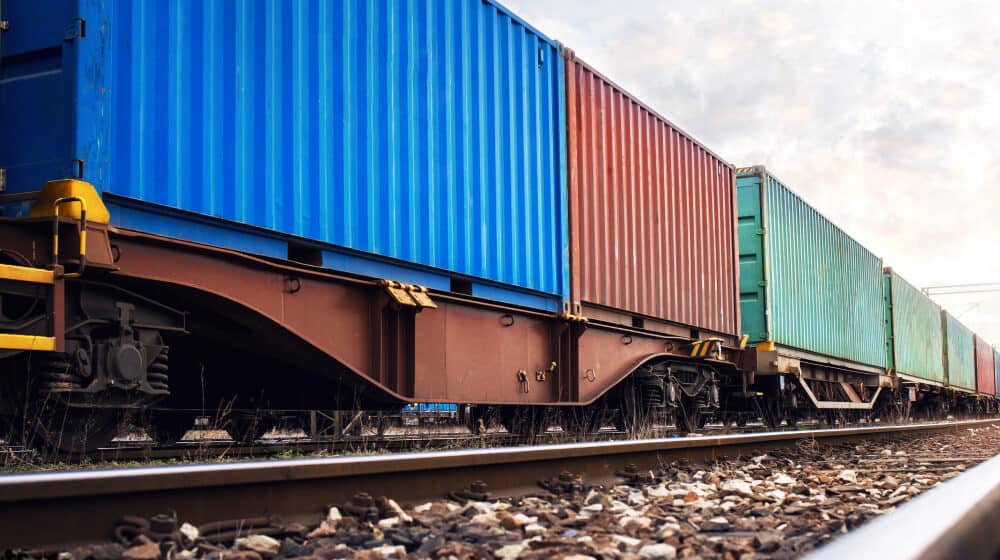
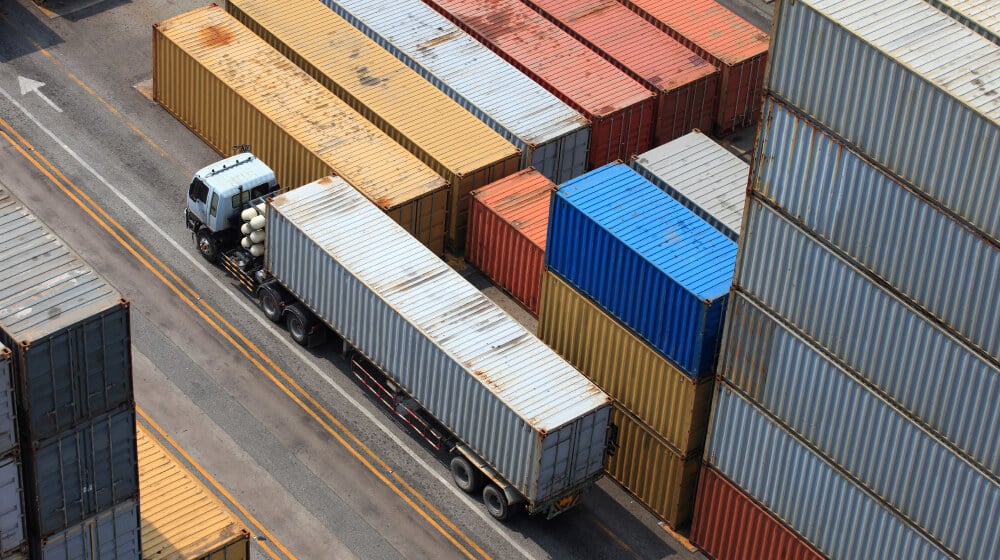
- FCL for a full container, such as 20’GP or 40’HC
Choose LCL or FCL based on volume, weight, type of goods, destination city and the total shipment cost, not just the number of cartons.
2. Door to door, door to port and port to port: what is the difference?
Door to door
The provider handles everything from pickup at origin in Thailand to delivery at the consignee’s premises in Australia, within the agreed scope.
Note: door to door does not automatically mean the price includes GST, duty, biosecurity inspection fees, import clearance and every destination charge. Check clearly which items the quotation includes.
Door to port
The provider collects the goods in Thailand and ships them to the destination port or airport. The consignee or their agent then handles clearance and onward delivery.
Port to port
Suits companies that already have a customs broker or team handling formalities at origin and destination. The provider is responsible for the leg between ports or airports as agreed.
3. Who is Australia shipping for?
Shipping to Australia can be used by both individuals and companies, for example:
- People sending documents or parcels to relatives or contacts in Australia
- Online shops sending goods to customers in Australia
- Businesses with partners or branches in Australia
- Manufacturers sending product samples for business negotiations
- Students or people moving for work who need to send personal effects
- Companies sending spare parts, machinery or equipment to Australia
However, imports for personal use and commercial imports have different conditions, especially for food, plants, animal products, wood and goods with biosecurity risk.
4. Information to prepare before asking for an Australia shipping quote
For a realistic freight estimate, prepare at least the following:
- Product name and description
- Number of pieces, cartons or pallets
- Dimensions (width × length × height) of each package
- Weight per package and total weight
- Value of the goods
- HS code, if available
- Country of origin, if known
- Pickup address in Thailand
- Delivery address in Australia
- Destination city and postcode
- Cargo ready date
- Incoterms for commercial goods
- Product photos, if the goods need to be checked
Saying only “I have goods to send to Australia, how much is it?” is not enough for an accurate calculation, because costs depend on weight, volume, transport mode, type of goods and the actual pickup and delivery locations.
5. Documents used for shipping to Australia
The documents needed depend on the type of goods, transport mode and type of import.
For commercial goods, the common basic documents are:
Commercial invoice
Shows the seller, buyer, product name, quantity, value, currency and terms of sale.
Packing list
Shows the number of packages, weight, dimensions and packing details.
Transport documents
- Bill of lading for sea freight
- Air waybill for air freight
Some goods may need an import permit, treatment certificate, phytosanitary certificate, manufacturer’s declaration or other specific documents under the Biosecurity Import Conditions system (BICON).
6. Why does Australian biosecurity matter?
Before you ship to Australia, pay special attention to biosecurity, because the Australian government controls goods that could bring pests, diseases or contamination into the country.
Examples of goods to check carefully:
- Food and beverages
- Plants, seeds and plant products
- Meat and animal products
- Biological products
- Pet food
- Wood and wooden products
- Wooden packaging
- Used machinery, vehicles or equipment that may carry soil or contamination
- Tyres and certain other goods with biosecurity risk
BICON is used to check whether goods can be imported, which documents are needed, whether treatment is required and whether a biosecurity import permit is needed before import.
Conditions can be checked on
Australian Biosecurity Import Conditions – BICON
Check BICON before the goods leave Thailand, because some goods need a permit or treatment before travel. If the goods do not meet the conditions, they may be held, inspected further, treated, returned or destroyed, with extra costs.
Can I send food to Australia?
Some food can be imported, but both biosecurity requirements and Australian food law must be checked.
Food imported for sale may fall under the Imported Food Inspection Scheme and must comply with the Australia New Zealand Food Standards Code and the specific conditions for each type of product.
So do not conclude “food can be sent” from the product name alone. Check the ingredients, product characteristics, country of origin and purpose of import first.
7. What do you need to know about GST and import duty?
The Australian Border Force states that goods imported into Australia may generally be subject to duty and taxes, unless an exemption or concession applies.
GST on imported goods
For a taxable importation, GST is generally 10% of the value of the taxable importation. This is not calculated on the price of the goods alone, but can include the customs value, customs duty, international transport and insurance, and certain related taxes.
So do not tell customers “this price includes tax” without checking the value, HS code, type of goods, Incoterms and who pays the destination costs.
Goods valued over AUD 1,000
The Australian Border Force states that imported goods valued over AUD 1,000, and certain goods such as alcohol or tobacco, are subject to the set procedures for paying duty, taxes and import charges.
Low-value goods sold to consumers in Australia may also fall under the GST system for low value imported goods, so do not use the AUD 1,000 threshold to conclude “below this there is no GST” in every case.
Customs and tax information is available from the
Australian Border Force – Importing Goods
8. The shipping process to Australia
Step 1: Send the product details
Send complete details of the goods, quantity, size, weight, value, photos, origin address and delivery address.
Step 2: Check the HS code and biosecurity
Check whether the goods fall under BICON requirements and whether they need a permit, certificate, treatment or other conditions before export.
Step 3: Choose the transport mode
Compare air freight, LCL or FCL by weight, volume, urgency and total shipment cost.
Step 4: Check the quotation
Check which costs the quotation includes, such as:
- Pickup charge
- Export customs clearance
- Freight
- Origin charges
- Destination charges
- Import clearance
- Delivery to the consignee
- Customs duty, if any
- GST, if any
- Biosecurity inspection or treatment fees, if incurred
Step 5: Booking and shipping
Once the service is confirmed, the booking is made, the goods are picked up, documents prepared and the goods shipped on a suitable sailing or flight.
Step 6: Import clearance and biosecurity clearance
When the goods reach Australia, the importer or customs broker completes formalities with the Australian Border Force and the biosecurity authority according to the type of goods.
The goods may be released immediately, or may be directed for inspection, treatment, holding for more information or other action depending on their risk.
Step 7: Delivery
After customs clearance and biosecurity requirements are met, the goods are delivered to the consignee within the agreed service scope.
Frequently asked questions about shipping to Australia
Can I send a parcel to Australia?
Yes, in many cases, but check the type of goods, weight, size, value and biosecurity requirements first, especially for food, plants, animal products, wood and goods containing batteries.
Can I send documents to Australia?
Documents can be sent by air or courier. Tell us the type of documents and how urgent they are so the right service can be chosen.
Can I send food to Australia?
Some food can be imported, but check the BICON conditions and imported food laws before shipping, especially food containing meat, eggs, dairy, plants, seeds or other ingredients with biosecurity risk.
Can I ship to Australia door to door?
It can be arranged in many cases, but the type of goods, delivery address and costs included in the quotation must be checked, especially GST, duty, clearance fees and biosecurity costs.
Can I get a quote without an HS code?
You can send the product details and photos for an initial freight estimate, but the HS code matters for checking duty, taxes and import requirements.
What is the maximum weight I can ship to Australia?
There is no single maximum weight for every type of service, because limits depend on the transport mode, airline, shipping line, equipment type and size of the goods. Large volumes or loads of several tonnes can be handled as LCL, FCL or a specialised service depending on the shipment.
How many days does shipping to Australia take?
It depends on the transport mode, origin and destination cities, flight or sailing, customs clearance and biosecurity inspection, so check the transit time of the actual shipment before confirming the booking.
Want a quote for shipping to Australia?
For KTC Global Logistics to assess the price and transport mode properly, prepare:
- Product name and description
- Quantity
- Dimensions
- Weight
- Value of the goods
- Pickup address in Thailand
- Delivery address in Australia
- Cargo ready date
- Product photos
- HS code, if available
Planning to ship goods to Australia?
Contact KTC Global Logistics and our team will check your cargo details, documents, route and a suitable transport option before you confirm the shipment. Contact us