
Shipping to Malaysia is one of the international routes from Thailand with the most options: road, sea and air. Choose the right one based on the type of goods, quantity, weight, urgency, pickup and delivery points, and Malaysia’s import requirements.
KTC Global Logistics ships goods from Thailand to Malaysia, including parcels, samples, spare parts, commercial goods and large volumes, and can assess door-to-door, door-to-port or port-to-port services according to the conditions of each shipment.
Preparing complete product details before asking for a quote lets you compare road, sea and air properly, and check customs, taxes and product-specific requirements before shipping.
1. What are the ways to ship to Malaysia?
Choose how to ship to Malaysia based on weight, volume, urgency and the delivery address, not just the price per kilogram.
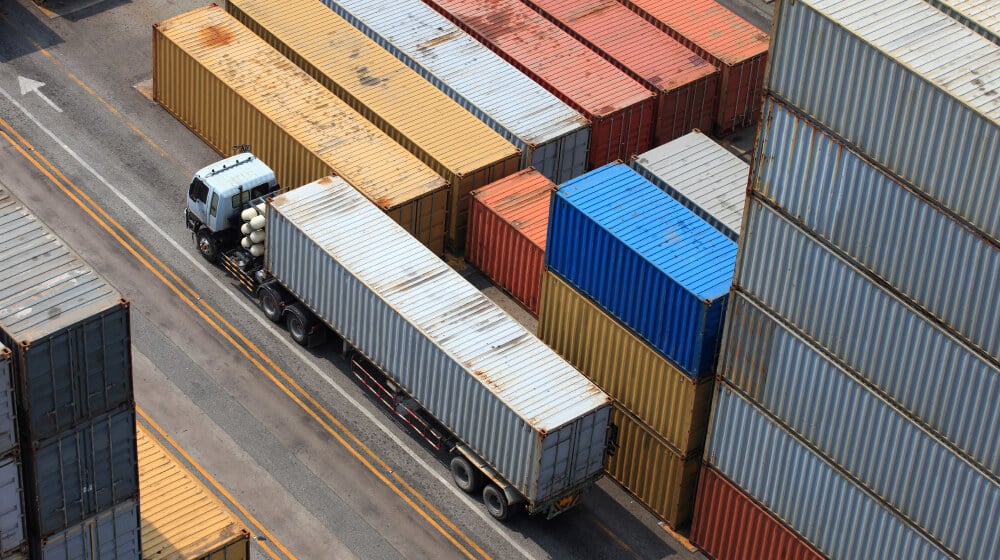
Road freight to Malaysia
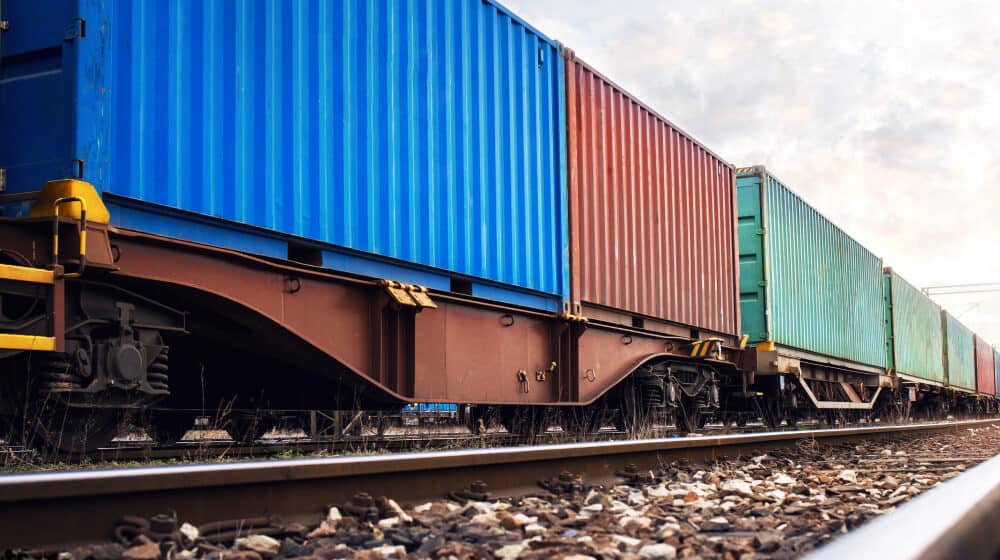
Road freight is a key option on the Thailand–Malaysia route, because the two countries are connected by road and it suits many types of goods.
Services can be divided into:
- LTL or consolidated loads for shipments that do not fill a truck
- FTL or full truckload for large volumes or goods with specific requirements
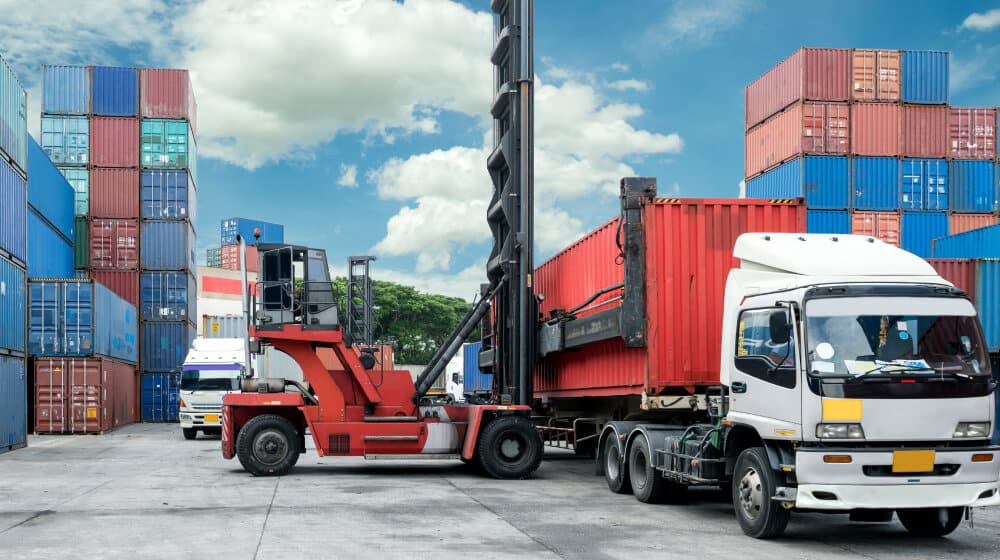
- Cross-border trucking for transport across the border from Thailand into Malaysia
Actual transit time depends on the origin, destination, border crossing, type of goods, truck changes or transloading, customs clearance and holidays, so check the transit time of the actual shipment before confirming the booking.
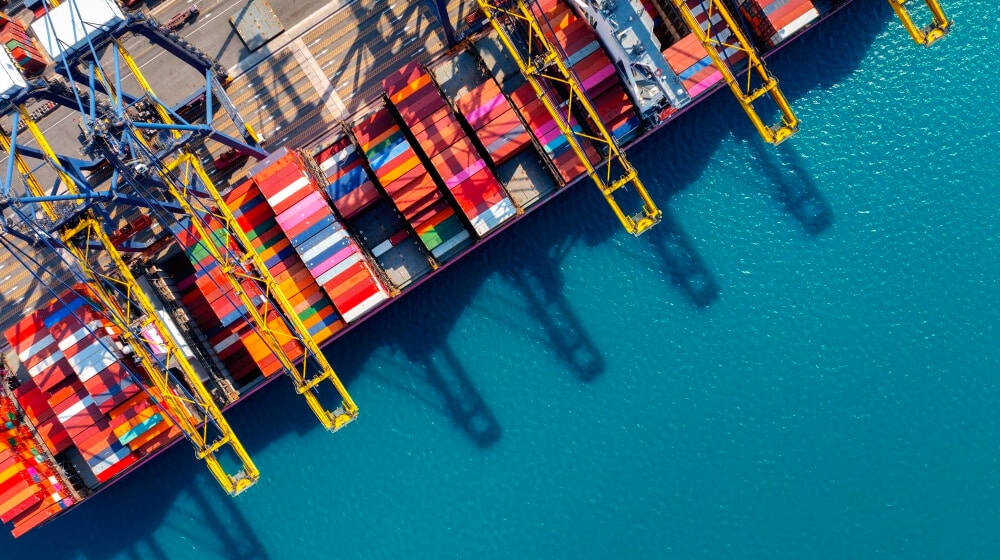
Sea freight to Malaysia
Sea freight suits large volumes, heavy goods or non-urgent goods. You can choose:
- LCL for less than a container load
- FCL for a full container, such as 20’GP or 40’HC
When choosing sea freight, consider the port and delivery address together, because inland transport in Malaysia can affect the total shipment cost.
Air freight to Malaysia
Air freight suits parcels, samples, spare parts or goods that need to arrive quickly. Charges are based on actual weight and volumetric weight, or chargeable weight.
If the goods are batteries, liquids, chemicals or dangerous goods, give the details before asking for a quote so airline requirements can be checked.
2. Which goods suit road freight to Malaysia?
Malaysia’s advantage is that goods can be trucked from Thailand by road, so road freight should be compared with air and sea freight, especially when the destination is on the Malaysian peninsula.
Road freight may suit:
- General commercial goods
- Spare parts and equipment
- Factory goods
- Palletised goods
- Shipments too small for a container
- Jobs that need pickup and delivery to the premises
However, not every type of goods can use cross-border trucking under the same conditions. Controlled goods, dangerous goods, food and temperature-controlled goods should be checked case by case.
3. Information to prepare before asking for a Malaysia shipping quote
To compare prices and transport modes properly, prepare at least the following:
- Product name and description
- Number of pieces, cartons or pallets
- Dimensions (width × length × height) of each package
- Weight per package and total weight
- Value of the goods
- HS code, if available
- Country of origin, if relevant
- Pickup address in Thailand
- Delivery address in Malaysia
- Destination city and postcode
- Cargo ready date
- Incoterms, such as EXW, FOB, CIF, DAP or DDP
- Product photos, if the goods need to be checked
This information makes it possible to compare road, sea or air and check whether any special costs or requirements apply.
4. Documents used for shipping to Malaysia
The documents needed depend on the type of goods, transport mode and type of import.
Commercial invoice
Shows the seller, buyer, product name, quantity, value, currency, country of origin and terms of sale.
Packing list
Shows the number of packages, weight, dimensions and packing method.
Transport documents
- Road transport documents for cross-border shipments
- Bill of lading for sea freight
- Air waybill for air freight
Some goods may need an import permit, licence, certificate or documents from other agencies, so check them by HS code and type of goods case by case.
5. What do you need to know about Malaysian customs and SST?
Goods imported into Malaysia must be cleared under the requirements of the Royal Malaysian Customs Department, and some goods may be subject to import duty or related taxes depending on their classification.
Duty rates are not the same for all goods, so check the HS code, country of origin and any tax privileges before estimating destination costs.
More information on import procedures is available from the
Royal Malaysian Customs Department – Import Procedure
Malaysia uses SST, not GST
Malaysia uses the Sales and Service Tax (SST) system. Sales tax is a single-stage tax on qualifying goods, including imported taxable goods.
So do not say “imports into Malaysia pay VAT” or use GST as a blanket term. Check whether the product is subject to sales tax or other duties under its HS code and the law in force at the time.
Information on SST is available from
Malaysia Sales & Service Tax – MySST
6. What should be checked for halal food and controlled goods?
Before you ship to Malaysia, check whether the goods are general goods, controlled goods or goods that need a permit from another agency.
Examples of goods to check further:
- Food and beverages
- Meat and animal products
- Medicines and health products
- Cosmetics
- Plants and agricultural products
- Chemicals
- Batteries
- Dangerous goods
- Certain telecom equipment or electronic goods
Can I send food to Malaysia?
Some food can be imported, but do not assume “dry food can be sent if it has a health certificate”, because requirements differ by product type, ingredients, place of production and purpose of import.
Some products may need a permit, health certificate, veterinary certificate or documents from other agencies, so always check before booking.
Does every product need a halal certificate?
Not every product imported into Malaysia automatically needs a halal certificate, but if food or other imported goods will be sold or presented as “halal”, Malaysia’s halal certification requirements must be met.
JAKIM states that imported goods claiming or displaying halal status must meet the requirements and be certified by a foreign halal certification body recognised by JAKIM.
Information is available from
Halal Malaysia – JAKIM
7. The shipping process to Malaysia
Step 1: Send the product details
Send the product name, quantity, size, weight, value, photos and the origin and destination information.
Step 2: Check the HS code and requirements
Check whether the goods need an import permit, certificate or specific agency requirements, and check any duty and sales tax that may apply.
Step 3: Choose the transport mode
Compare cross-border truck, air freight, LCL or FCL by cost, urgency, quantity and delivery location.
Step 4: Check the quotation
Check which costs the price includes, such as:
- Pickup in Thailand
- Export customs clearance
- Transport or freight
- Origin charges
- Destination charges
- Import clearance
- Delivery to the consignee
- Import duty or sales tax, if any
Step 5: Booking and shipping
Once the service is confirmed, the booking is made, the goods are picked up, documents prepared and the goods shipped by the chosen mode.
Step 6: Import clearance
When the goods reach Malaysia, the importer or customs agent completes the formalities, including permits or agency documents if the goods are controlled.
Step 7: Delivery
After import clearance, the goods are delivered to the consignee within the agreed service scope.
Frequently asked questions about shipping to Malaysia
Can I ship to Malaysia by truck?
Cross-border trucking can be arranged for many types of goods, but the origin, destination, quantity and border requirements must be checked before quoting.
Can I send a parcel to Malaysia?
Yes, in several ways. Give the weight, size, type of goods and delivery address so we can decide whether courier, air freight or another service fits.
Can I send food to Malaysia?
Some food can be imported, but requirements differ by type of food, ingredients and commercial use, so check permits and certificates before shipping.
Do goods shipped to Malaysia need a halal certificate?
Not every product needs one, but if the product will be presented or sold as halal, check JAKIM’s certification requirements and those of the relevant agencies.
How many days does shipping to Malaysia take?
It depends on the transport mode, pickup and delivery points, route, border crossing, schedule and customs clearance, so check the transit time of the actual shipment rather than a fixed number.
How much does shipping to Malaysia cost per kilogram?
There is no single price per kilogram for every shipment, because air freight, cross-border truck, LCL and FCL are charged differently and also depend on weight, volume, type of goods and destination.
Is cash on delivery available?
Payment terms depend on the service and the agreement for each shipment. Ask our team about the terms before confirming the shipment.
Want a quote for shipping to Malaysia?
For KTC Global Logistics to compare routes and estimate the price properly, prepare:
- Product name and description
- Quantity
- Dimensions
- Weight
- Value of the goods
- Pickup address in Thailand
- Delivery address in Malaysia
- City and postcode
- Cargo ready date
- Product photos
- HS code, if available
Planning to ship goods to Malaysia?
Contact KTC Global Logistics and our team will check your cargo details, documents, route and a suitable transport option before you confirm the shipment. Contact us