
Transit and transhipment of goods through Thailand
Thailand sits at the strategic transport hub of Southeast Asia, which makes land, sea and air routes through Thailand a popular choice for moving goods between neighbouring countries. Understanding the systems and procedures for moving goods through Thailand is therefore very important for traders.
Transhipment vs transit: what is the difference?
Many businesses confuse transhipment and transit. In customs procedures they differ both in how the goods travel and where the operation takes place:
- Transhipment: goods are moved from one means of transport to another within the same customs checkpoint, changing vessel or flight to continue to the destination country. For example, goods arrive by sea at Laem Chabang Port and are transferred to another vessel for the destination country.
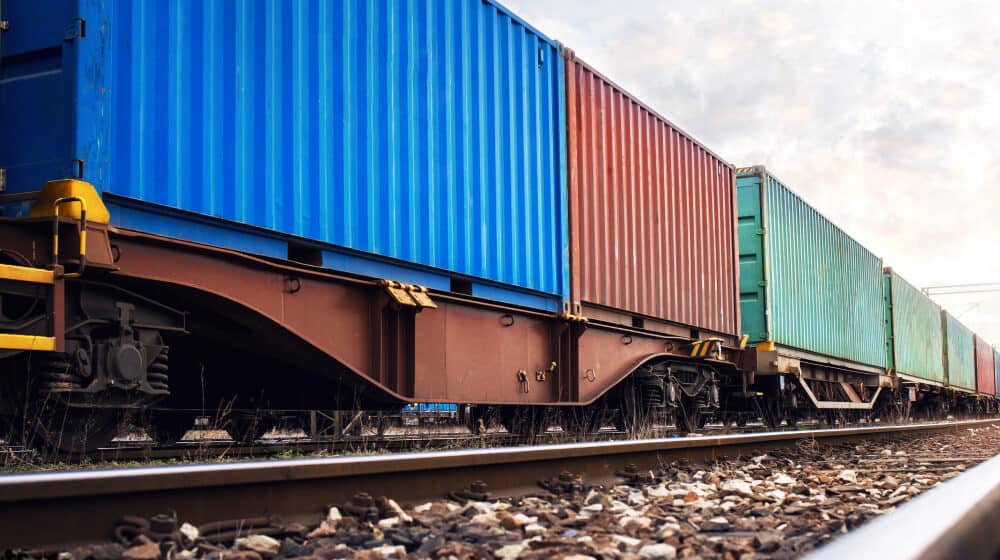
- Transit: goods move across Thai territory from an inbound customs checkpoint to an outbound customs checkpoint to be exported. For example, goods from China travel over Thai land routes to Malaysia.
Relevant agreements and laws
Transit through Thailand must follow international agreements and customs law so that the goods travel according to the correct procedures. The main frameworks include:
- International transit agreements: such as the road transport agreement between Thailand and Laos, or the agreement on transit of goods between Thailand and Malaysia.
- Transit under GATT 1994 (WTO): the rules for transit with countries that have no special bilateral agreement with Thailand.
Standard transit procedure
Transit or transhipment follows these customs procedures:
1. Initial eligibility check
The operator or applicant must be a properly registered company with a clear place of business that meets the Customs Department’s criteria.
2. Prepare documents and apply
Basic documents to prepare for coordination include:
- Company certificate
- Product description and tariff code (if any)
- A plan and route of transport showing the inbound and outbound checkpoints clearly
- Evidence of the guarantee required by the authorities
3. Customs guarantee
Transit requires a guarantee as set by law, such as a bank guarantee or other security accepted by the Customs Department, to cover duties and taxes that may arise while the goods are in Thailand.
4. Customs formalities and inspection
The declaration is submitted electronically through the National Single Window (NSW) to customs officers at the inbound checkpoint for release according to the process.
5. Exit from Thailand
Goods in transit must follow the route and time limit set by law to be exported at the outbound checkpoint. Failure to comply with the time limit may lead to fines under customs law.
Precautions for controlled goods and permits
For special goods, such as dangerous goods, chemicals, food, medicines, cosmetics or medical devices, transit and transhipment must be checked case by case because specific laws of the regulating agencies apply. Always check the document requirements before every shipment.
For advice on planning documents and customs procedures for transit, contact KTC Global Logistics at 02-286-1967 or LINE: @ktclogistics.