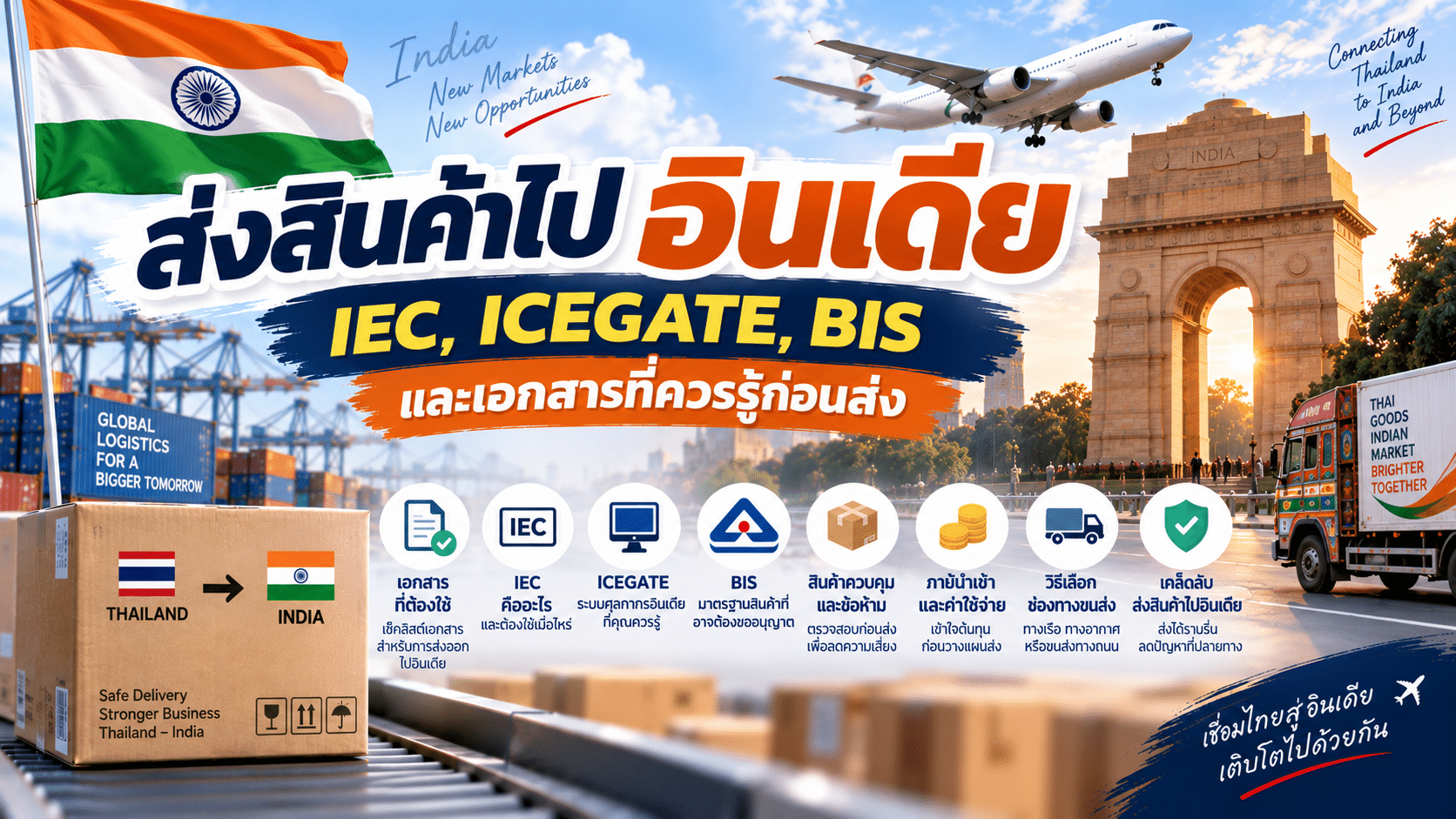
Shipping to India, whether parcels, samples, spare parts, machinery or commercial goods, involves more than the freight cost, because you also need to consider the importer, the bill of entry, the Importer Exporter Code (IEC), customs requirements and product-specific standards.
KTC Global Logistics ships goods from Thailand to India by air and sea, and can assess door-to-door, door-to-port and port-to-port services according to the type of goods, quantity and the conditions of each shipment.
Preparing complete product, importer and destination details before booking helps check import requirements, estimate costs and choose the right transport mode.
1. What are the ways to ship to India?
Choose how to ship to India based on the type of goods, weight, volume, quantity, urgency and destination city, because India is large and inland transport costs can vary greatly by state and delivery point.
Air freight to India
Air freight suits parcels, samples, spare parts or goods that need to arrive quickly. Charges are based on actual weight and volumetric weight, or chargeable weight.
If the goods are batteries, liquids, chemicals or dangerous goods, give the details before asking for a quote, as airlines may have extra requirements.
Sea freight to India
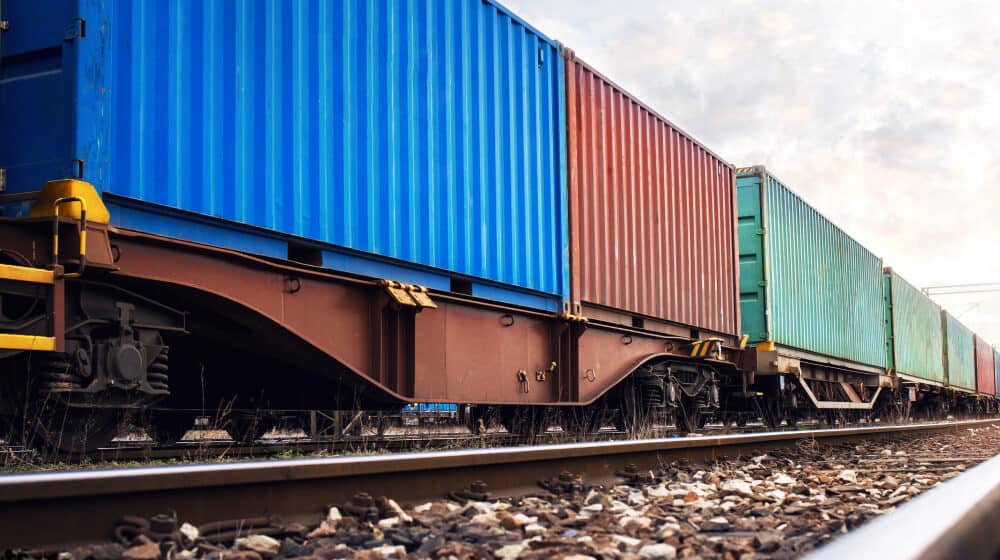
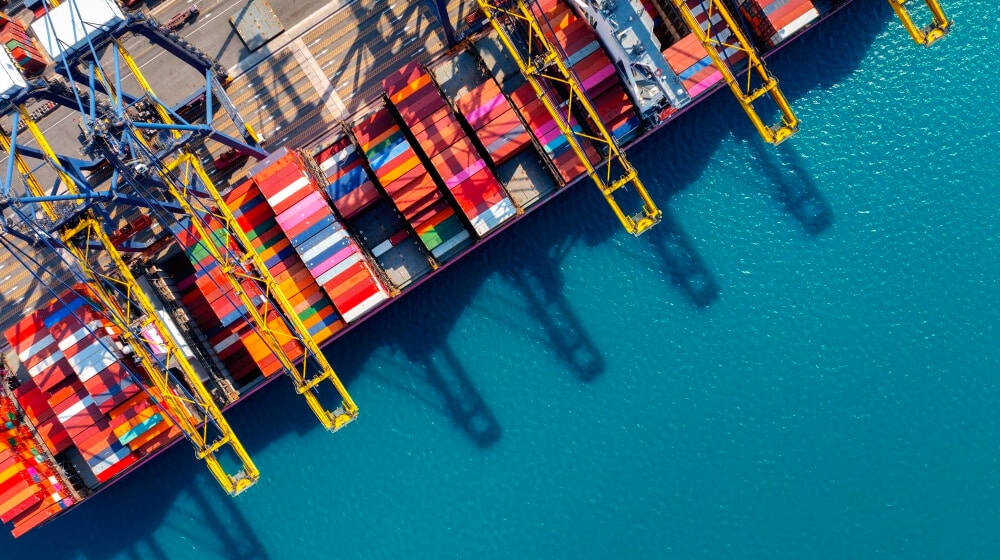
Sea freight suits large volumes, heavy goods or non-urgent shipments. It can be divided into:
- LCL for less than a container load
- FCL for a full container, such as 20’GP or 40’HC
India has several major ports, such as Nhava Sheva, Mundra, Chennai and Kolkata, so choose the port of discharge together with the destination city and inland delivery cost.
2. Door to door, door to port and port to port: what is the difference?
Door to door
The provider handles everything from pickup in Thailand to delivery at the consignee’s premises in India, within the scope stated in the quotation.
Note: door to door does not automatically mean the price includes import duty, taxes, customs clearance, examination, storage or every destination charge.
Before quoting door to door or DDP, check that the importer has an IEC and is ready to complete import clearance.
Door to port
The provider collects the goods in Thailand and ships them to the destination port or airport. The importer or the consignee’s customs broker then takes over.
Port to port
Suits companies that already have a customs broker or logistics team in India. The provider is responsible for transport between ports or airports as agreed.
3. Information to prepare before asking for an India shipping quote
For an accurate price estimate, prepare at least the following:
- Product name and description
- Number of pieces, cartons or pallets
- Dimensions (width × length × height) of each package
- Weight per package and total weight
- Value of the goods
- HS code, if available
- Country of origin
- Manufacturer name, if relevant
- Pickup address in Thailand
- Delivery address in India
- City, state and PIN code
- Cargo ready date
- Incoterms, such as EXW, FOB, CIF, DAP or DDP
- Product photos, if the goods need to be checked
For door-to-door jobs in particular, give the full PIN code, because inland transport costs in India depend heavily on the destination area.
4. Documents used for shipping to India
The documents needed depend on the type of goods, transport mode and the requirements of the relevant agencies.
Commercial invoice
Shows the seller, buyer, product description, quantity, value, currency, country of origin and terms of sale.
Packing list
Shows the number of packages, weight, dimensions and packing details.
Transport documents
- Bill of lading for sea freight
- Air waybill for air freight
Bill of entry
The bill of entry is a key document in Indian import customs clearance, used to declare the goods and related import details.
ICEGATE states that the main documents for importing goods generally include the bill of lading or airway bill, commercial invoice, packing list and bill of entry, while other documents depend on the commodity and the requirements of participating government agencies.
More information is available from
ICEGATE – Frequently Asked Questions
5. Why do the IEC and ICEGATE matter?
Importer Exporter Code (IEC)
For commercial shipments to India, the first thing to check is whether the importer has an Importer Exporter Code (IEC).
The DGFT states that persons or entities intending to import or export generally need an IEC, unless they fall within the exempted categories under the rules.
So before booking a commercial shipment, confirm the importer details and IEC, and do not assume every consignee company can import immediately.
IEC information is available from the
Directorate General of Foreign Trade – DGFT
What is ICEGATE?
ICEGATE, the Indian Customs Electronic Gateway, is Indian Customs’ online system for import, export, bills of entry, shipping bills, e-Sanchit and related customs services.
ICEGATE also connects with the SWIFT system to coordinate data with other government agencies involved with controlled goods or goods that need an NOC.
Information is available from
ICEGATE – Indian Customs National Trade Portal
6. Which goods need BIS checks?
Before you ship to India, check whether the goods fall under a Quality Control Order or the requirements of the Bureau of Indian Standards (BIS).
BIS states that its certification scheme is generally voluntary, but some products are under compulsory certification and can only be imported when they meet the standard and hold the required licence or certificate.
Examples of product groups that may need BIS checks:
- Certain electrical and electronic goods
- Laptops, tablets and some IT equipment
- Power adapters and some electrical accessories
- Certain household appliances
- Industrial products under a Quality Control Order
Do not assume every electronic product needs BIS, because the list of compulsory products changes with notifications and Quality Control Orders.
The latest list can be checked at the
Bureau of Indian Standards – Products under Compulsory Certification
7. What FSSAI checks apply to food shipped to India?
Food imported into India is subject to the Food Safety and Standards Act and the Food Safety and Standards (Import) Regulations.
FSSAI uses the Food Import Clearance System (FICS), which links with ICEGATE through SWIFT for document checks, risk assessment, inspection and sampling or testing as needed.
So do not conclude “dry food can be shipped” just because there is a commercial invoice, because food may need checks on:
- The importer’s FSSAI licence
- IEC
- Type and ingredients of the food
- Product labels
- Shelf life
- Food import clearance
- Sampling or laboratory testing if selected
More information is available from
FSSAI – Food Import Clearance System
8. The shipping process to India
Step 1: Send the product details
Send the product name, quantity, size, weight, value, photos, country of origin and the origin and destination information.
Step 2: Check the HS code and requirements
Check the duty rate, import policy, BIS, FSSAI or permits and NOCs from other agencies that may apply.
Step 3: Check the importer’s IEC
For commercial shipments, confirm that the importer has an IEC and a customs broker or system ready for customs clearance.
Step 4: Choose the transport mode
Compare air freight, LCL or FCL by quantity, urgency, port of discharge and destination city.
Step 5: Check the quotation
Check which items the quotation includes, such as:
- Pickup in Thailand
- Export customs clearance
- Freight
- Origin charges
- Destination charges
- Customs clearance
- Import duty and related taxes
- Delivery to the consignee
- Inspection or agency fees, if incurred
Step 6: Booking and shipping
Once the service is confirmed, the booking is made, the goods are picked up, documents prepared and the goods shipped on a suitable sailing or flight.
Step 7: Customs clearance
When the goods reach India, the importer or customs broker files the bill of entry through the relevant system and coordinates with other agencies if the goods need BIS, FSSAI, permits or NOCs.
Step 8: Delivery
After the goods receive customs “out of charge” and meet the requirements of the relevant agencies, they are delivered to the consignee within the agreed service scope.
Frequently asked questions about shipping to India
Can I send a parcel to India?
Yes, in many cases, but check the type of goods, weight, size, value and type of import first, especially for commercial and controlled goods.
Can I send documents to India?
Documents can be sent by air or courier. Tell us the type of documents and how urgent they are so the right service can be chosen.
Can I ship to India door to door?
It can be arranged in many cases, but check the importer’s IEC, customs clearance and destination costs clearly before confirming the shipment.
Does the consignee need an IEC?
For commercial imports an IEC is generally required, unless an exemption set by the DGFT applies.
Does every product need BIS?
No. Many products are not under BIS mandatory certification, but some products under a Quality Control Order or compulsory registration must be certified before import.
Can I send food to India?
Some food can be imported, but FSSAI requirements, the importer’s licence, labelling and food import clearance must be checked before shipping.
Can I get a quote without an HS code?
You can send the product details and photos for an initial freight estimate, but the HS code matters for checking import duty, import policy, BIS and other requirements.
How many days does shipping to India take?
It depends on air or sea freight, the route, schedule, port of discharge, destination city, customs clearance and inspection by the relevant agencies, so check the transit time of the actual shipment before confirming the booking.
Want a quote for shipping to India?
For KTC Global Logistics to assess the price and transport mode properly, prepare:
- Product name and description
- Quantity
- Dimensions
- Weight
- Value of the goods
- Country of origin
- Pickup address in Thailand
- Delivery address in India
- City, state and PIN code
- Cargo ready date
- Product photos
- HS code, if available
Planning to ship goods to India?
Contact KTC Global Logistics and our team will check your cargo details, documents, route and a suitable transport option before you confirm the shipment. Contact us