
Importing Goods from China to Thailand: Where to Start
Importing from China to Thailand today can be done by sea, by cross-border truck, by rail or by air. Each route differs in freight cost, speed and documentation. For SMEs buying from Chinese factories or from sellers on 1688 and Alibaba, choosing the right route for the goods and preparing the correct documents before placing the order helps reduce hidden costs and the risk of goods being held at customs. This article summarizes the advantages and limitations of each route, the documents required on the Thai side, the goods that need a permit before import, and the legal risks of “duty-inclusive” shipping services.
4 Ways to Ship Goods from China to Thailand
1. By sea
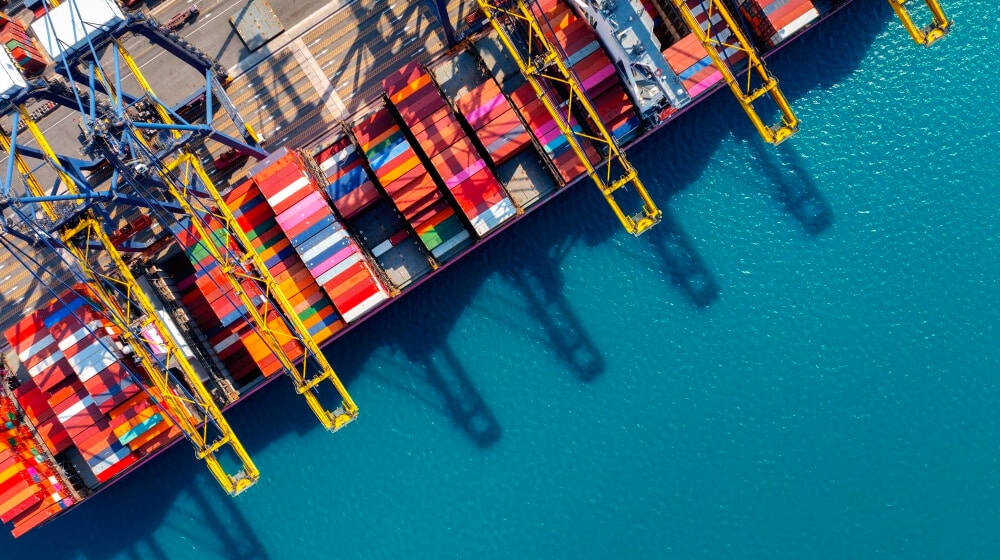
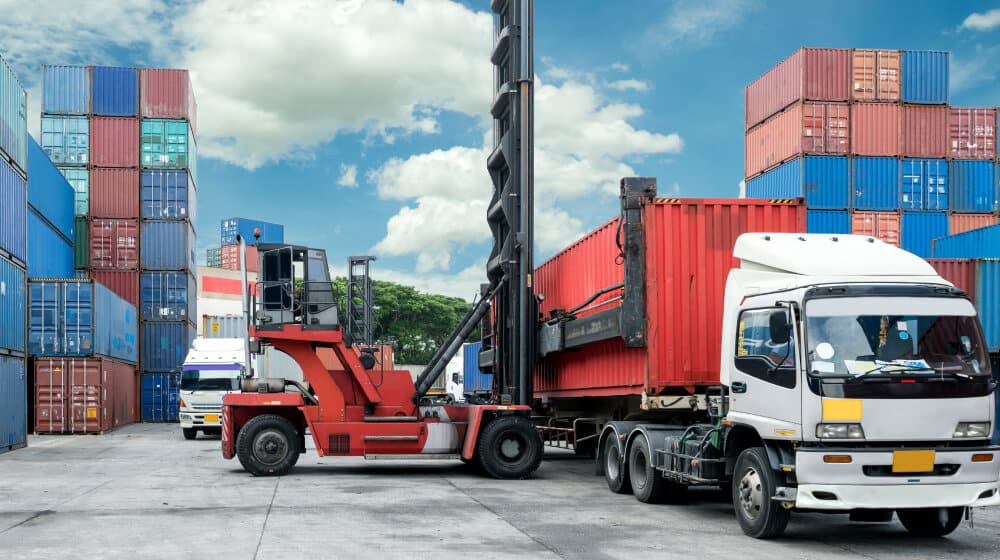
Sea freight is the main route for large volumes. Goods usually leave from China’s major ports, such as Shanghai, Ningbo, Shenzhen, Guangzhou, Qingdao or Xiamen, and enter Thailand at Laem Chabang Port, the country’s main deep-sea port, or at Bangkok Port (Khlong Toei), a river port close to Bangkok that can only take smaller vessels. Importers can choose a full container load (FCL) or share a container with other importers (LCL), depending on the volume of goods.
Its strengths are the lowest freight cost per unit of any route and good capacity for heavy or oversized cargo. Its limitations are a longer transit time and, if containers are collected late from the port, extra costs such as demurrage and storage charges.
2. By cross-border truck via Laos or Vietnam
Road freight from China has to pass through a third country, because Thailand and China do not share a border. The main routes are:
- R3A: From Yunnan Province through the Boten border crossing in northern Laos down to Houayxay, then across the 4th Thai–Lao Friendship Bridge into Thailand at Chiang Khong District, Chiang Rai Province
- R12: From Guangxi through Vietnam into Laos to Thakhek, then across the 3rd Thai–Lao Friendship Bridge into Thailand at Nakhon Phanom Province
- R9: Along the East–West Economic Corridor from Vietnam through Savannakhet, then across the 2nd Thai–Lao Friendship Bridge into Thailand at Mukdahan Province
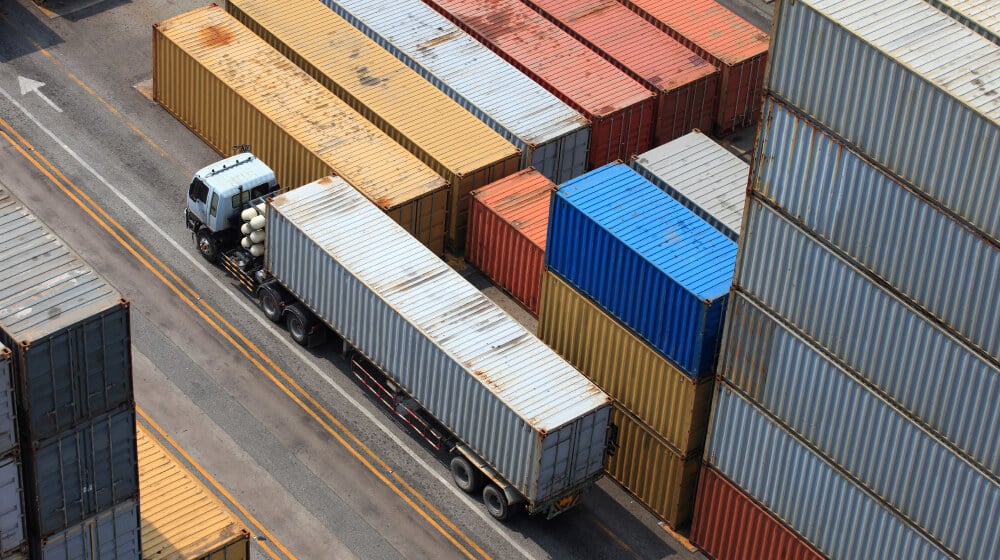
Goods are generally cleared for import at the border customs house where the truck enters, such as Chiang Khong, Nakhon Phanom or Mukdahan Customs House. Road freight is faster than sea freight and can deliver to your warehouse door, but it costs more. The goods cross two or three countries, so all transit documents must be complete. Some routes may require transloading to another truck at the border, and delays can occur because of border opening hours or periods of heavy cross-border traffic.
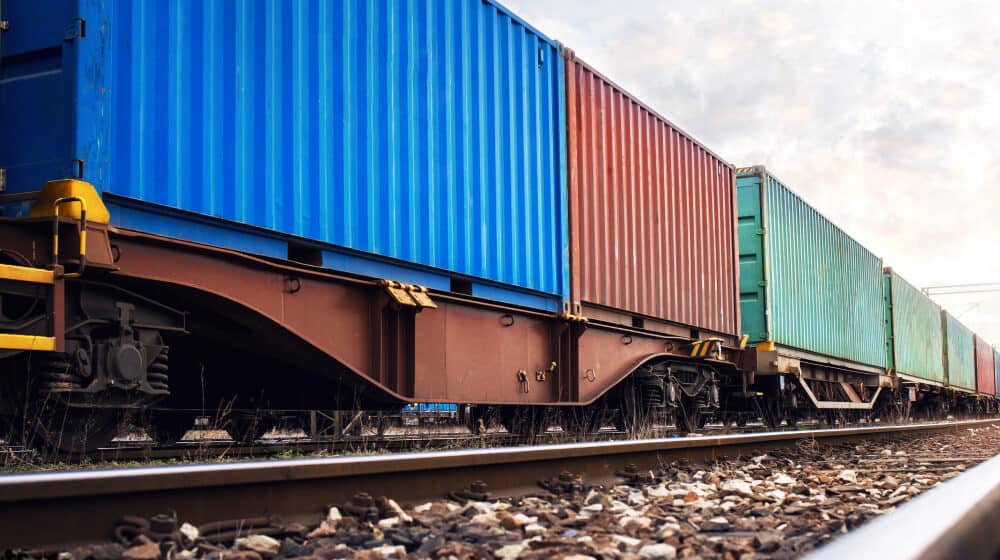
3. By rail via the Laos–China Railway
The Kunming–Vientiane section of the Laos–China Railway has been in service since December 2021, but there is still no direct train from China into Thailand. The Laos–China Railway uses 1.435-metre standard gauge, while Thai railways use 1-metre gauge, so goods must be transshipped at Thanaleng Dry Port in Vientiane and then carried on by truck, or by metre-gauge train, across the 1st Thai–Lao Friendship Bridge into Nong Khai Province.
The Nakhon Ratchasima–Nong Khai high-speed rail section and a new rail bridge over the Mekong are still in preparation and not yet open. Rail is therefore suited to goods whose origin is close to the rail line in China, and to importers who can plan the transshipment in advance. Always check timetables and transshipment points with your service provider.
4. By air
Air cargo usually departs from China’s main airports, such as Guangzhou, Shenzhen or Shanghai, and enters Thailand at Suvarnabhumi Airport. It is the fastest route but also the most expensive. Freight is charged on actual weight or volumetric weight, whichever is greater, so air suits samples, urgent shipments and small, high-value goods. Some goods, such as lithium batteries, are classified as dangerous goods under air transport rules and must be declared and packed according to specific conditions.
Comparison Table: Shipping Routes from China
This table is a relative comparison. Actual costs and transit times depend on the origin city, cargo volume, season and service provider.
| Route | Best suited to | Freight cost (relative) | Speed (relative) | Watch out for |
|---|---|---|---|---|
| Sea | Large, heavy, non-urgent shipments | Lowest | Slowest | Port charges if containers are collected late |
| Cross-border truck | Goods needed faster than by sea, from southern China | Medium to high | Faster than sea | Transit documents for several countries, border opening hours |
| Rail | Goods whose origin is near the Laos–China Railway | Medium | Faster than sea on some routes | Transshipment in Vientiane before entering Thailand at Nong Khai |
| Air | Samples, urgent, high-value or small goods | Highest | Fastest | Volumetric weight and dangerous goods restrictions |
Import Documents to Prepare on the Thai Side
Whatever the route, the importer must file an import declaration through the Thai Customs Department’s electronic system, either directly or through a customs broker. The main supporting documents are:
- Commercial invoice: Shows the goods, quantities, prices and terms of sale. The invoice price must be the actual transaction price.
- Packing list: Shows the number of packages, weights and the contents of each carton.
- Transport document for the route: A bill of lading (B/L), an air waybill (AWB), or the road or rail consignment note issued by the carrier.
- Certificate of origin: To claim FTA duty reductions, use Form E (ASEAN–China agreement) or Form RCEP. The duty rates under the two agreements may differ for the same product, so compare them first and then ask the seller to obtain the form for the agreement you have chosen.
- Licences or certificates: For restricted goods.
- Insurance documents: If the goods are insured.
The details in all documents, including the description of goods, quantity, weight and value, should match. If they do not, the goods may be subject to a detailed inspection and slower clearance. Importers are also required to keep accounts and import-related documents for at least 5 years.
Goods to Check for Permits Before Ordering
Many types of goods from China are restricted goods, meaning they require a permit or must meet the conditions of the regulating agency before import. Examples SMEs often encounter include:
- Products under compulsory TIS standards: Products that a ministerial regulation requires to conform to a standard, such as power strips, rice cookers or children’s toys. Importers for sale must obtain a licence from the Thai Industrial Standards Institute (TISI) before taking the goods out of customs. The list of controlled products is extended from time to time, so always check the latest list.
- Food, drugs, cosmetics and medical devices: Regulated by the Thai Food and Drug Administration (Thai FDA). For example, importing food for sale requires a food import licence and import and storage premises that meet the criteria, and each product must go through the approval procedure for its food type. Drugs, cosmetics and medical devices each follow procedures under their own specific laws.
- Radio communication equipment: Under the Radio Communications Act B.E. 2498 (1955), importing radio communication equipment requires a licence from the licensing officer under the Office of the National Broadcasting and Telecommunications Commission (NBTC). For products such as two-way radios or devices that transmit and receive radio signals, check the conditions with the NBTC before ordering.
Importing in a way that evades these restrictions may constitute an offence under Section 244 of the Customs Act B.E. 2560 (2017), which carries imprisonment of up to 10 years, a fine of up to 500,000 baht, or both, and the court may order the goods to be forfeited. The safest approach is to confirm the tariff classification (HS Code) and the permits required before paying the seller.
The Risks of “Duty-Inclusive” or “All-In” Shipping Services
All-in shipping services usually charge a single rate per kilogram or per cubic metre that bundles freight and taxes together. Some providers handle customs formalities and pay duty correctly, but the risk arises when goods are imported in another person’s name and the type or value of the goods is under-declared to reduce the taxes actually paid. Buyers should be aware of the following provisions of the Customs Act B.E. 2560 (2017):
- The buyer may be considered the importer: The law defines “importer” to include the owner, possessor or person with an interest in the goods, from the time of import until the goods are released from customs custody, even if the buyer’s name does not appear on the import declaration.
- Incorrect declarations: Section 202 provides a fine of up to 500,000 baht for anyone who files, arranges or allows another person to file an incorrect declaration or document, and Section 252 makes this an offence even without intent.
- Duty evasion: Section 243 penalizes anyone who evades duty with intent to defraud with imprisonment of up to 10 years, a fine of half to four times the additional duty payable, or both. Under Section 245, instigators, supporters or conspirators receive the same penalty as the principal, and anyone who buys or receives goods knowing that duty on them has been evaded commits an offence under Section 246.
- Retroactive duty assessment: Customs can assess duty within 3 years of the date the declaration was filed, extendable by up to 2 more years, and by a further 5 years where there is evidence of intent to defraud. Unpaid duty also incurs a surcharge of 1% per month.
Besides the legal risks, importing in someone else’s name leaves the buyer without an import declaration or duty receipt in its own name for accounting and tax purposes, and without documents proving the goods were lawfully imported when reselling them. Before using an all-in service, ask clearly who the importer on the declaration will be, whether you can get copies of the declaration and duty receipt, and whether the declared value matches the actual purchase price.
Checklist Before Ordering Goods from China
- Verify the seller: Ask for a business licence, request samples and pay through traceable channels. Many sellers on 1688 sell only within China, so you may need a consolidator at origin before export.
- Agree the delivery terms: State the Incoterms clearly in the purchase order, such as EXW, FOB, CIF or DAP, to set who pays for each leg of transport and where risk passes.
- Check the classification and duty rate: Confirm the HS Code, compare the normal duty rate with the FTA rate, and check which agency’s permits are required before paying a deposit.
- Check the draft C/O: Ask for a draft Form E or Form RCEP and check it against the invoice before the seller applies for the actual certificate.
- Insure the goods: Especially when buying EXW or FOB, where the buyer bears the risk in transit.
- Choose the shipping route: Based on volume, urgency and where the goods are coming from.
- Prepare documents before the goods arrive: Gather the invoice, packing list, transport document, C/O and permits, and send them to your customs broker to check in advance.
For advice on choosing a shipping route from China, checking tariff classification and permits before ordering, or clearing imports through customs in your own name, contact KTC Global Logistics at 02-286-1967 or LINE: @ktclogistics.